


A GGT blood test is a simple procedure that measures the level of an enzyme called gamma-glutamyl transferase. But don't let the complicated name fool you. This test offers a vital window into your cellular health, acting as a useful resource in your personal longevity strategy.
While many doctors associate it with liver function and alcohol consumption, its true value is as an early warning system. Think of it as a smoke detector for something called oxidative stress—a major factor behind the ageing process and chronic disease. Understanding your GGT level gives you an actionable insight into how well your body is ageing on a cellular level.
Your GGT Level: A Powerful Clue to Longevity
Getting a blood test result back can be daunting, but the GGT number gives you a surprisingly clear insight into your long-term health. It's much more than a liver check-up; it's a sensitive marker that reveals how well your body is coping with cellular wear and tear. A high GGT level is like your body's 'check engine' light coming on, signalling an accelerated rate of ageing.
When GGT is elevated, it's a sign that your body is burning through its master antioxidant, glutathione, faster than it can make more. This imbalance is what we call oxidative stress, and it’s a root cause of the ageing process and many age-related illnesses. That’s why keeping an eye on your GGT is such a proactive step toward a longer, healthier life.
Connecting GGT to Your Healthspan
Once you understand this connection, a routine blood test transforms into a effective method for your well-being. Instead of just thinking about liver strain, you can see your GGT level as a direct reflection of your body's overall resilience. This shifts the focus from simply fixing problems as they arise to actively building a strong foundation for a long and vibrant healthspan.
Here’s what your GGT level can tell you about longevity:
- Oxidative Stress Status: It shows the balance between damaging free radicals and the antioxidants that protect you, which is a core component of biological ageing.
- Cardiovascular Health: Time and again, elevated GGT has been linked to a higher risk of heart-related problems, a leading cause of shortened lifespan.
- Metabolic Function: It can flag underlying metabolic stress long before other, more common markers start to show issues, giving you time to intervene.
The chart below shows just how neatly rising GGT levels correlate with increased health risks, which really drives home why you should aim for the optimal range for a longer life.
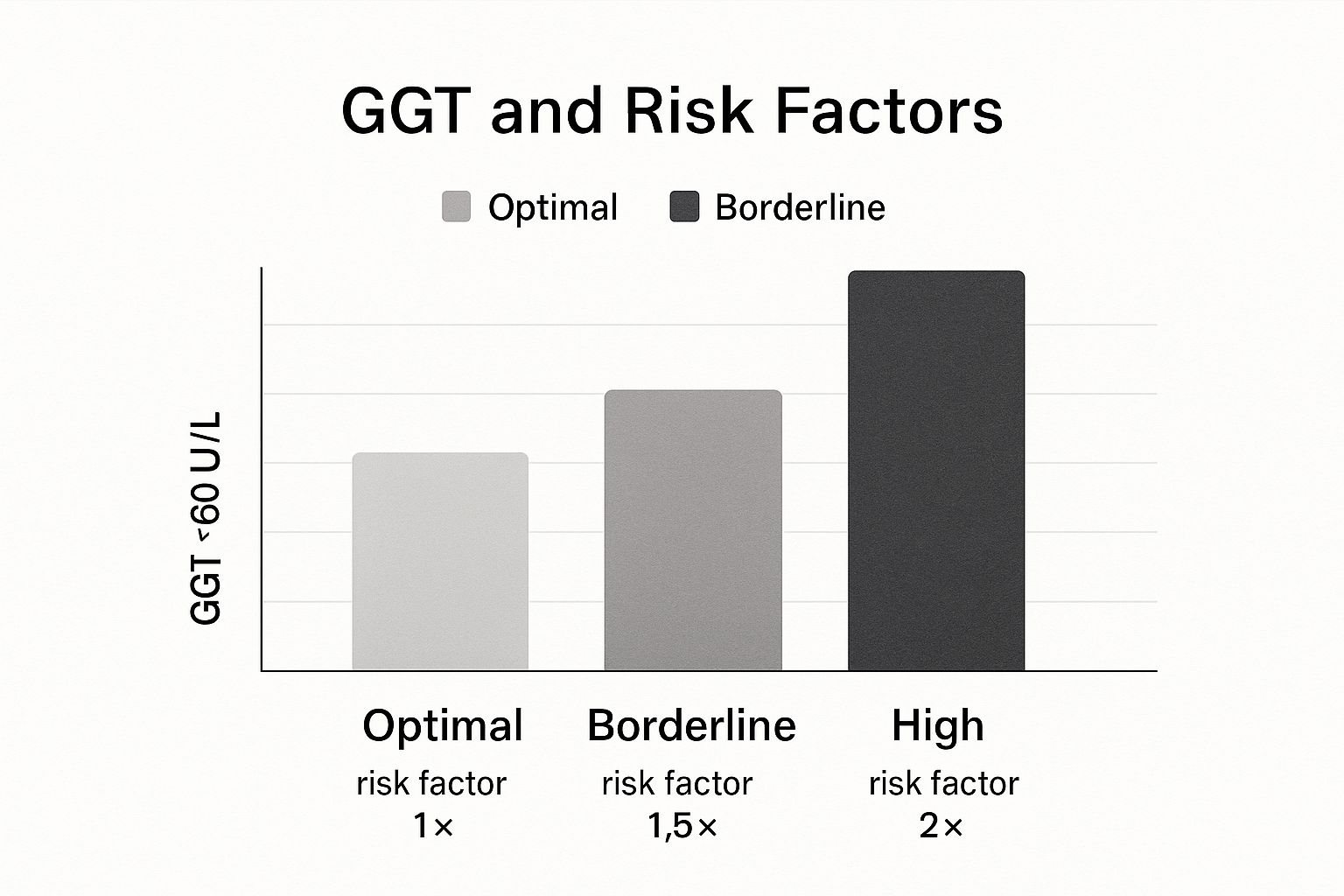
As you can see, when GGT levels climb from optimal to high, the associated risk factor doubles. It's a clear and powerful predictor of future health challenges.
This isn't just theory; research from right here in the UK backs it up. A huge analysis of UK Biobank data, which looked at nearly 300,000 people, found something striking. Even GGT levels at the high end of the so-called "normal" range were linked to significantly increased risks for cardiovascular disease, liver problems, and even death from any cause. You can discover more about these UK health findings from the study itself.
Interpreting Your GGT Blood Test Results
Getting your lab report back can feel like you've been handed a document in a foreign language. But when it comes to your GGT blood test, that single number offers a clear window into what’s happening with your cellular health and, by extension, your longevity potential.
Think of Gamma-glutamyl transferase (GGT) as an enzyme that lives inside your liver cells. As long as those cells are healthy, GGT stays put and does its job without any fuss.
The trouble starts when your liver cells come under attack. Whether it’s from toxins, inflammation, or oxidative stress, this pressure damages the cells. It’s a bit like a water balloon—when it’s squeezed too hard, it starts to leak. GGT is what leaks out into your bloodstream, and that’s precisely what the blood test measures. So, a higher GGT number simply means more cellular "leaks."

Understanding The GGT Ranges
To really get to grips with your results, you need to know what the numbers are telling you. Every lab has slightly different reference ranges, but we can group them into general categories that give you a snapshot of your body's current state on its journey toward longevity.
UK healthcare data provides a solid benchmark. For instance, the NHS generally considers a normal GGT level to be under 55 IU/L for men and below 38 IU/L for women. It's interesting to note that average levels often creep up as we age, but if longevity is your goal, you really want to be aiming for the lower end of that "normal" range.
The table below breaks down what different GGT levels could mean for you, helping you see where you are on your long-term wellness path. Remember, GGT is just one piece of the puzzle. For the full picture of your liver's health, it’s always a good idea to understand your complete liver function test results.
Here’s a breakdown of typical GGT levels for UK adults, explaining what each range might indicate about your liver health and overall longevity.
UK GGT Blood Test Reference Ranges and Health Implications
| GGT Level (IU/L) | Interpretation for Men | Interpretation for Women | Potential Longevity Implication |
|---|---|---|---|
| Below 25 | Optimal - Suggests low oxidative stress and excellent liver function. | Optimal - Indicates a healthy liver and minimal cellular stress. | This range is linked to a lower risk of chronic disease, supporting a longer, healthier life. |
| 25 - 55 | Borderline - Could be an early warning of liver strain or metabolic stress. | Borderline - Might point to the first signs of inflammation or lifestyle factors that need addressing. | This is your cue to be proactive. It's a chance to make lifestyle changes before small issues become bigger problems that can shorten your healthspan. |
| Above 55 | High - A strong sign of liver stress, possibly from alcohol, NAFLD, or bile duct issues. | High (Above 38) - A definite red flag for liver inflammation, high oxidative stress, or other underlying conditions. | Consistently high GGT is linked to an increased risk of all-cause mortality. Investigating this is vital for your long-term health. |
The numbers in this table are more than just data; they are a direct reflection of your cellular health.
Moving Beyond The Numbers
Finding out where your GGT number falls gives you the power to ask the right questions. An optimal result is fantastic—it’s a clear sign your lifestyle is on the right track for promoting longevity.
But if your result is borderline or high, don't see it as a final verdict. Instead, think of it as a powerful motivator. It’s your body sending a clear signal that something needs your attention. This gives you the perfect opportunity to dig deeper, find the root cause, and take back control of your health for a longer, healthier future.
Why GGT Is a Key Marker for Longevity
Most people think of the GGT blood test as just a check-up for your liver, but that’s only scratching the surface. Think of it less as a liver test and more as a powerful barometer for your body’s overall resilience against the daily grind of ageing.
When your GGT levels are high, it’s a quiet but insistent signal. It’s telling you that your body is fighting a silent, low-grade battle against chronic stress, accelerating the ageing process.
This battle is called oxidative stress. It happens when your system is flooded with damaging molecules, known as free radicals, overwhelming your body's natural antioxidant defences. Your main line of defence here is a master antioxidant called glutathione. GGT's job is to help break down and recycle this vital antioxidant, keeping your cellular repair crews in top shape.
But when your blood shows high GGT, it’s a clear sign that this recycling system is working overtime, a state that is incompatible with long-term health and vitality.

A Quick Analogy to Make Sense of It
Imagine your body is a busy factory. Glutathione is the expert maintenance crew, moving around and fixing the small bits of wear and tear that happen every day, keeping the machinery running perfectly. GGT is like the crew’s supervisor, making sure they have the resources they need and directing them to where the damage is.
Now, what happens if a major problem hits the factory, like a flood of toxins from a poor diet or too much alcohol? The maintenance crew (glutathione) is suddenly swamped. To deal with the crisis, the supervisor (GGT) has to call in everyone and everything it can, and its activity goes through the roof.
A high GGT level in your blood is the equivalent of seeing that supervisor running around in a panic. It’s a direct sign that the factory’s internal systems are under serious pressure. This constant cellular strain is one of the biggest drivers of the ageing process itself.
The Link to Chronic Disease
This state of high alert doesn’t just wear the system out; it actually paves the way for serious health problems that can shorten your life. Consistently high GGT levels are strongly linked to a higher risk of several age-related diseases:
- Cardiovascular Disease: Oxidative stress is a key player in the inflammation and damage that occurs in our blood vessel walls, which can lead to heart attacks and strokes.
- Metabolic Syndrome: This cluster of conditions, including high blood pressure, insulin resistance, and excess belly fat, is often accompanied by elevated GGT.
- Certain Cancers: The relentless cellular damage from oxidative stress can cause cells to grow abnormally, increasing the risk of cancer.
An elevated GGT reading is more than a number on a lab report. It’s a direct measure of your body's antioxidant defences being drained away. This state of oxidative stress is a fundamental reason why many of the chronic diseases that shorten our lifespan take hold.
The cancer connection is particularly striking. A major study using UK Biobank data from over 421,000 individuals found a clear, direct link between GGT levels and the risk of developing pancreatic cancer. The research revealed that for every standard deviation increase in GGT, the risk jumped by 14%. People in the group with the highest GGT levels had nearly double the risk of those with the lowest. You can explore the full research on GGT and cancer risk for a deeper look at the data.
By keeping an eye on your GGT, you get a huge advantage. It gives you a window to see and address this cellular stress long before it turns into a life-changing diagnosis. This shifts the GGT blood test from being a simple diagnostic tool to a genuinely proactive part of your strategy for a longer, healthier life.
What Causes High GGT Levels?
So, your GGT levels are high. What's next? Figuring out why is the important first step to taking action for your longevity. Think of a high GGT reading not as a diagnosis, but as a signal from your body that something is putting your liver under strain and accelerating cellular ageing. The causes usually fall into a few key areas, from your daily habits to specific health conditions.
An elevated GGT blood test doesn't just happen randomly. It's a direct biochemical response to stress on your liver and your body’s antioxidant defences. By looking at the likely culprits, we can start to connect the dots between your lifestyle, your health, and your long-term vitality.
Lifestyle Choices That Can Raise GGT
More often than not, the biggest factors pushing GGT up are tied to our everyday routines. These habits have a direct impact on liver health and the amount of oxidative stress your body is forced to handle.
-
Alcohol: This is the most famous trigger. Whether it’s from years of heavy drinking or just a few nights of overindulgence, alcohol puts a serious strain on liver cells, causing them to leak GGT into your bloodstream. The good news? Cutting back or stopping altogether is a direct investment in your liver's health and longevity.
-
Diet and Belly Fat: A diet loaded with processed foods, sugar, and unhealthy fats forces your liver to work overtime. This can lead to a build-up of visceral fat – the particularly harmful type that wraps around your internal organs. This kind of fat is a major source of inflammation, which in turn drives GGT levels higher and shortens healthspan.
Medical Conditions and Medications
Sometimes, high GGT is a red flag for an underlying medical issue. These conditions can cause direct inflammation or create blockages that damage liver cells and the delicate network of bile ducts, forcing GGT to spill out.
A very common culprit is Non-alcoholic fatty liver disease (NAFLD). This is a condition where too much fat accumulates in the liver, often linked with obesity and metabolic syndrome. For many people, NAFLD is the silent reason behind their elevated GGT.
Other medical causes can include:
- Blocked Bile Ducts: Think of a traffic jam in your liver. Conditions like gallstones can physically block the tubes that transport bile, causing a "backup" that damages cells and sends GGT soaring.
- Viral Hepatitis: Infections such as hepatitis B or C cause direct inflammation and injury to the liver.
- Certain Medications: Some prescription drugs, like certain anti-seizure medications or even long-term use of other common drugs, can raise GGT levels as your liver works hard to metabolise them.
An elevated GGT result is your body's way of signalling that it's under pressure. Whether from lifestyle habits, environmental exposures, or an underlying health issue, it’s a clear call to investigate further and make supportive changes for a longer life.
Finally, don't overlook environmental toxins. Exposure to pollutants like lead, cadmium, and certain pesticides has been shown to increase GGT, as the liver acts as your body’s main detoxification centre. Each of these potential causes provides a valuable clue, pointing you towards the changes you can make for better health down the line.
Actionable Steps to Lower Your GGT Levels
Knowing your GGT number is the first step. The real payoff for your long-term health begins with what you do next. A high GGT level is your body's way of telling you that oxidative stress is winning, but the great news is that you have the power to change the score.
Simple, consistent lifestyle adjustments can make a profound difference. Think of each healthy choice not as a sacrifice, but as a direct investment in your future self and your longevity.

This isn't about flipping your life upside down overnight. It's about making small, smart decisions that support your body's master antioxidant, glutathione, and help it defend against damage. Let's walk through the most effective ways to lower your GGT and boost your overall well-being.
Reinforce Your Body with Diet and Hydration
Your diet is your most practical tool for influencing your biological age. The goal here is simple: reduce the workload on your liver and give your body the building blocks it needs to fight off oxidative stress.
Start by flooding your system with antioxidant-rich foods. These are nature's firefighters, working to cool down the internal inflammation that can push GGT levels up.
- Eat the Rainbow: Berries, dark leafy greens like spinach, and brightly coloured vegetables are loaded with protective compounds. A good rule of thumb is to aim for at least five portions a day.
- Choose Leaner Proteins: Switching from processed or red meats to options like fish, chicken, or plant-based proteins can significantly reduce the inflammatory burden on your liver.
- Embrace Healthy Fats: Avocados, nuts, seeds, and good-quality olive oil provide anti-inflammatory fats that are key for your metabolic health.
Think of moderating alcohol as giving your liver, the body's primary filtration system, a much-needed break. Even reducing intake, not just complete abstinence, can lower GGT levels and allow your cellular repair mechanisms to catch up.
Don't forget about water. Staying well-hydrated is essential for helping your kidneys and liver flush out toxins, making their jobs much easier. For a deeper look at building these foundational habits, check out our top tips on hydration, nutrition, exercise, and sleep.
Embrace Liver-Supportive Habits
Beyond what’s on your plate, a few key daily habits can have a direct, positive impact on your liver and GGT levels. It's all about building a lifestyle that promotes a long and healthy life.
Regular physical activity is a non-negotiable for liver health. Exercise helps you maintain a healthy weight, specifically targeting the harmful visceral fat that contributes to fatty liver disease—a major driver of high GGT. It also improves how your body responds to insulin, taking even more pressure off your system.
You might also consider incorporating these GGT-lowering drinks into your day:
- Coffee: It might sound surprising, but study after study has linked regular coffee consumption with lower GGT levels, particularly for those who drink alcohol.
- Green Tea: This drink is packed with powerful antioxidants called catechins, which are known to protect liver cells from damage and support the body's natural detoxification processes.
Below is a table that breaks down how these key lifestyle changes can directly impact your GGT levels and contribute to a longer, healthier life.
Lifestyle Interventions to Optimise Your GGT Levels
| Intervention | Primary Mechanism of Action | Longevity Benefit |
|---|---|---|
| Reduce Alcohol Intake | Decreases direct liver toxicity and oxidative stress, allowing the liver to repair. | Lowers risk of liver disease, cardiovascular events, and certain cancers. |
| Eat an Antioxidant-Rich Diet | Provides compounds that neutralise free radicals, protecting liver cells from damage. | Reduces systemic inflammation, a key driver of age-related diseases. |
| Regular Physical Exercise | Reduces visceral fat, improves insulin sensitivity, and lowers overall inflammation. | Improves metabolic health, reducing the risk of type 2 diabetes and heart disease. |
| Maintain a Healthy Weight | Alleviates non-alcoholic fatty liver disease (NAFLD), a primary cause of elevated GGT. | Decreases the burden on all organ systems, promoting a longer healthspan. |
By integrating these habits, you're not just managing a single biomarker; you're building a complete defence against the factors that accelerate ageing.
Consider Targeted Supplementation
While diet and exercise should always come first, some specific supplements can give your body an extra boost in the fight against oxidative stress, primarily by supporting glutathione production.
N-acetylcysteine (NAC) is a standout supplement because it’s a direct precursor to glutathione. In simple terms, it provides the raw material your body needs to make more of its master antioxidant.
Another well-known option is milk thistle, which contains an active compound called silymarin, famed for its liver-protective qualities. However, it's essential to remember that supplements are not a shortcut. Always speak with your doctor before adding anything new to your routine to make sure it’s safe and appropriate for you.
When to Discuss Your GGT Results with a Doctor
Getting your GGT result back is a great first step, but it's important to remember that it's not a diagnosis in itself. Think of your GGT blood test result as the beginning of a conversation with your GP, not the final word. The real power of this number is using it to build a smarter, more proactive health strategy together.
A single number on a lab report rarely paints the complete picture. When it comes to your long-term health, context is everything, which is why booking a follow-up consultation is so important in a few key situations.
Key Triggers for a Medical Consultation
It’s definitely time to book an appointment if your GGT result is significantly elevated or has jumped up sharply since you were last tested. This is even more critical if you’re also experiencing persistent symptoms alongside the high reading.
You should seek medical advice if you notice any of the following:
- Unexplained fatigue or a constant feeling of weakness
- Pain in your abdomen, especially in the upper right area
- Feeling nauseous or having a poor appetite
- Jaundice, which is a yellowing of your skin or the whites of your eyes
Your GGT test is a catalyst for an informed discussion. Use it to partner with your doctor and create a personalised health plan that addresses root causes, rather than just numbers on a page.
During your follow-up, your doctor will likely ask about your lifestyle habits and may decide to order more tests, like a full liver function panel or an ultrasound scan. This thorough approach is the only way to get to the bottom of what’s going on and reach an accurate diagnosis. If you're interested in keeping a closer eye on your health from home, learning about the convenience of a home blood test can give you more data points to bring to future appointments.
Your GGT Questions, Answered
Let's clear up some of the most common questions people have about the GGT blood test. Think of this as a quick-reference guide to help you understand the practical side of things.
How Should I Get Ready for a GGT Blood Test?
Good question. While a GGT test on its own doesn't always require you to fast, it's very often bundled with other liver function tests that do. To be safe and get the most reliable reading, it's a smart move to skip alcohol for at least 24 hours before your blood draw.
Also, be sure to tell your doctor about any medications or supplements you’re taking, as some can influence the results.
Can My GGT Be High Even if I Feel Fine?
Absolutely, and this is precisely why GGT is such a powerful longevity marker. It acts as an early warning system, often rising when your liver is under strain or when oxidative stress is creeping up, long before you would ever feel any symptoms. This gives you a vital window to make proactive changes.
How Fast Can I Bring My GGT Levels Down?
This really boils down to what's causing the high levels in the first place.
If alcohol is the main culprit, you can see a pretty dramatic drop within just a few weeks of stopping. For lifestyle-driven factors like diet or weight, the change is more of a slow burn. You'll likely see steady improvement over a few months as you stick with healthier habits. The key is consistency in your actions to support a longer, healthier life.
At-Home Blood Testing
Check your levels from home
Professional phlebotomist visit. Doctor-reviewed results in 2-5 days. Track your health with comprehensive blood panels.
→45-70 biomarkers tested · Venous blood draw · From £130