


Taking control of your long-term health starts with understanding what's happening inside your body. You can test hormones at home using straightforward kits that check key markers related to ageing, metabolism, and stress. This gives you a clear picture of your internal health, helping you to make targeted lifestyle changes for a longer, healthier life—all without needing a GP appointment first.
Why You Should Test Your Hormones At Home For Longevity
The traditional approach to healthcare is often reactive; we wait for symptoms of age-related decline to appear and then try to manage them. At-home hormone testing flips this model. It’s about being proactive and using data to build a personalised longevity strategy, putting you in the driver’s seat of your healthspan.
Knowing your personal hormonal baseline is fundamental to this strategy. It helps you identify subtle shifts in key health markers long before they manifest as chronic issues, giving you a powerful head start. This isn’t just about addressing day-to-day symptoms like fatigue—it’s a important investment in your future health and vitality.
A Proactive Approach to Healthy Ageing
When you monitor your hormones, you're gathering concrete data that can guide your choices around diet, exercise, and supplements. This information gives you the power to optimise everything from your metabolism and energy to your brain function as you get older, directly influencing your quality of life in the decades to come.
For instance, our guide on the benefits of at-home testing explains how these insights become the foundation of a truly personal wellness plan: https://lolahealth.com/blogs/longevity/at-home-health-testing.
Think of it as moving from a generic, one-size-fits-all model of health to one that’s engineered for your unique biology. By understanding your body's internal chemistry, you gain the ability to fine-tune your lifestyle for peak performance and a longer, healthier life.
In the UK, the demand for at-home testing has surged as people embrace preventative health and technology improves. What once required clinic visits can now be done from home, on your schedule. It’s part of a bigger shift towards personalised health, with some providers reporting that 92% of their clients feel better within six weeks of combining testing with tailored lifestyle advice.
Hormonal shifts are an inevitable part of ageing. Understanding issues like the hormonal causes of menopause weight gain highlights how vital it is to monitor your hormone levels to maintain your well-being as you get older.
Key Hormones and Their Role in Longevity
To truly grasp how at-home testing supports long-term health, it helps to know which hormones are involved and what they do. These key players influence everything from our energy levels and mood to the very rate at which our bodies age.
| Hormone | Primary Role in Longevity | Common Imbalance Signs |
|---|---|---|
| Cortisol | Manages stress, metabolism, and inflammation. Balanced levels are key for preventing chronic disease. | Fatigue, brain fog, weight gain, poor sleep. |
| Thyroid (TSH, T4, T3) | Regulates metabolism, energy, and body temperature. Essential for cellular health and energy production. | Unexplained weight changes, tiredness, hair loss, feeling cold. |
| Oestrogen | Supports bone density, heart health, and cognitive function, particularly in women. | Hot flushes, mood swings, sleep problems, vaginal dryness. |
| Testosterone | Essential for muscle mass, bone density, and libido in all genders. | Low energy, reduced muscle strength, low mood, poor focus. |
| DHEA | A precursor to sex hormones that declines with age. Supports immune function and stress resilience. | Fatigue, decreased libido, muscle loss. |
By tracking these hormones, you're not just reacting to symptoms—you're actively managing your biological age and shaping your health for the years to come.
Choosing the Right At-Home Hormone Test
Navigating the options to test your hormones at home can feel overwhelming. The key is to shift from asking "what's the best test?" to "what's the best test for my specific longevity goals?". A focused approach ensures you invest in data that provides actionable insights for improving your long-term health.
First, clarify why you're testing.
Are you looking to optimise your metabolic health to prevent age-related diseases? Or perhaps you're focused on maintaining cognitive function and energy levels as you get older. An individual focused on metabolic longevity might need a panel covering thyroid hormones and insulin markers, whereas someone aiming to preserve muscle mass would focus on testosterone and DHEA. Defining your goal from the start prevents you from wasting money on irrelevant information.
Does the Sample Type Really Matter?
Absolutely. The collection method, be it saliva, urine, or a finger-prick blood sample, isn’t just about convenience. It dictates which hormones can be measured accurately, and therefore which longevity insights you can gain. Each method has distinct advantages.
- Finger-prick blood tests provide a stable, accurate snapshot of vital longevity hormones like testosterone, thyroid hormones (TSH, T4), and oestrogen. This is the gold standard for a broad overview of your metabolic and hormonal health.
- Saliva tests are ideal for tracking the daily rhythm of cortisol. Since chronic stress accelerates ageing, understanding your cortisol pattern is a key longevity insight that a single blood test cannot provide.
- Dried urine tests offer a detailed picture of your hormone metabolites. This reveals how your body breaks down hormones like oestrogen, offering deeper insights into your cellular health and detoxification pathways.
If you suspect chronic stress is hindering your long-term health, a multi-point saliva test will be far more insightful. Conversely, for a complete baseline of your reproductive and metabolic health, a finger-prick blood panel offers a broader and more reliable picture.
Remember: choosing the right provider is as significant as choosing the right test. Your results are only ever as good as the lab that analyses them.
Always look for companies that partner with UKAS-accredited laboratories. This is the same standard the NHS uses and your guarantee of quality and accuracy. Also, ensure the company provides clear, understandable reports. Raw data is useless without context. The best services offer professional support to help you translate your results into an actionable longevity plan.
Collecting Your Sample Correctly The First Time
The first rule of at-home hormone testing is simple: your results are only as good as your sample. Getting the collection right is absolutely critical for obtaining reliable data that genuinely reflects your body's internal environment and can guide your longevity strategy.
Timing is everything, especially with hormones that fluctuate. Cortisol, for example, naturally peaks in the morning. Collecting a sample at the wrong time will give you a skewed reading of your body’s stress response, leading to flawed conclusions about a key factor in ageing.
The same principle applies to female reproductive hormones. If you’re checking progesterone to track your cycle, you must test about seven days before your period is due. Testing at any other time won’t provide the information needed. Following the kit's instructions isn't just a suggestion—it's essential for actionable data.
Common Mistakes To Avoid
A few common, easily avoidable slip-ups can compromise a test and undermine your efforts.
Contamination is a major issue, especially with finger-prick blood tests. Here’s how to ensure a clean sample:
- Don't skip the hand-washing. Wash your hands thoroughly with warm, soapy water and dry them completely. Any residue from lotions or soaps can interfere with your results.
- Avoid squeezing your finger. Squeezing too hard can rupture red blood cells and mix your blood with tissue fluid, diluting the sample and compromising accuracy. Let gravity help by dangling your arm for a minute first.
- Fill it to the line. A frequent reason for sample rejection is insufficient volume. Ensure you fill the collection tube to the designated mark.
This infographic breaks down the journey from pinpointing your health goals to selecting the best sample type.
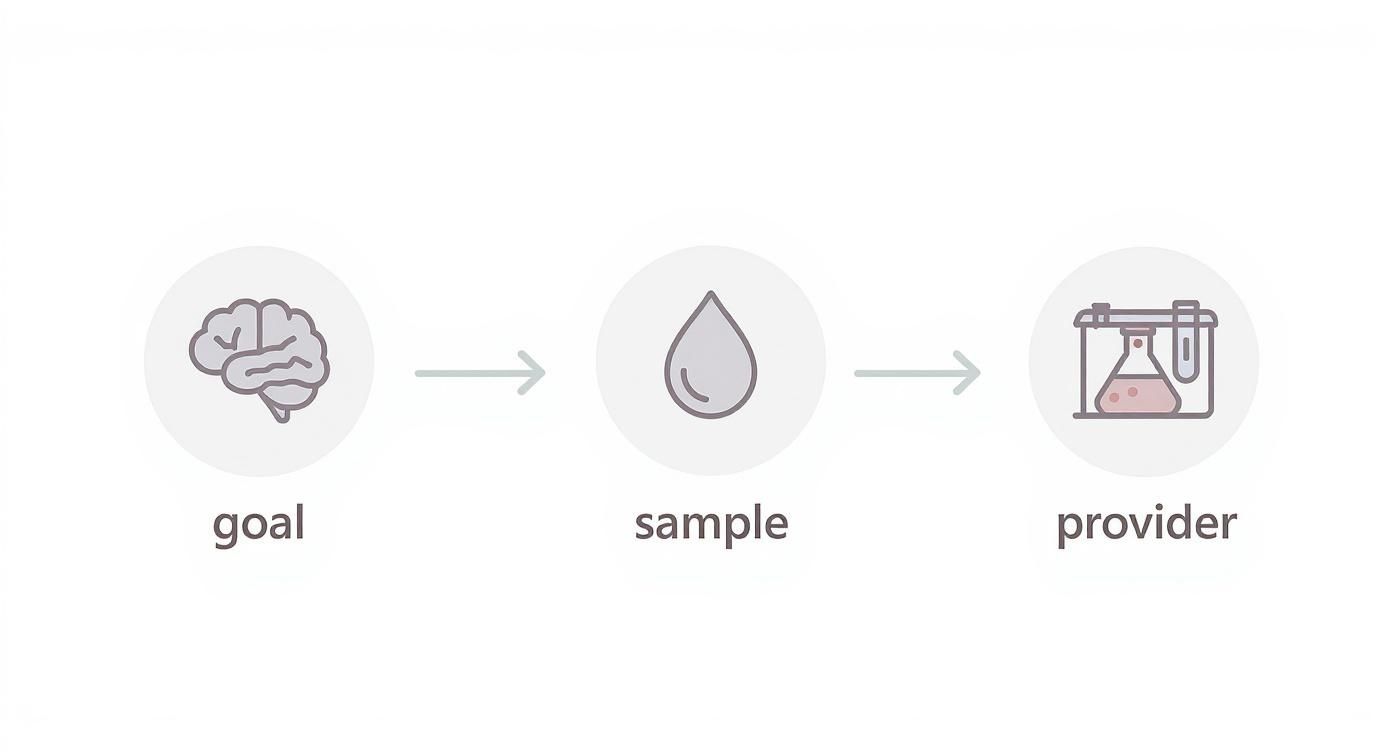
As you can see, your longevity goals dictate the best way to test. For a more detailed walkthrough, see our complete guide to at-home blood sampling.
Making Sense of Your Results and Taking Action
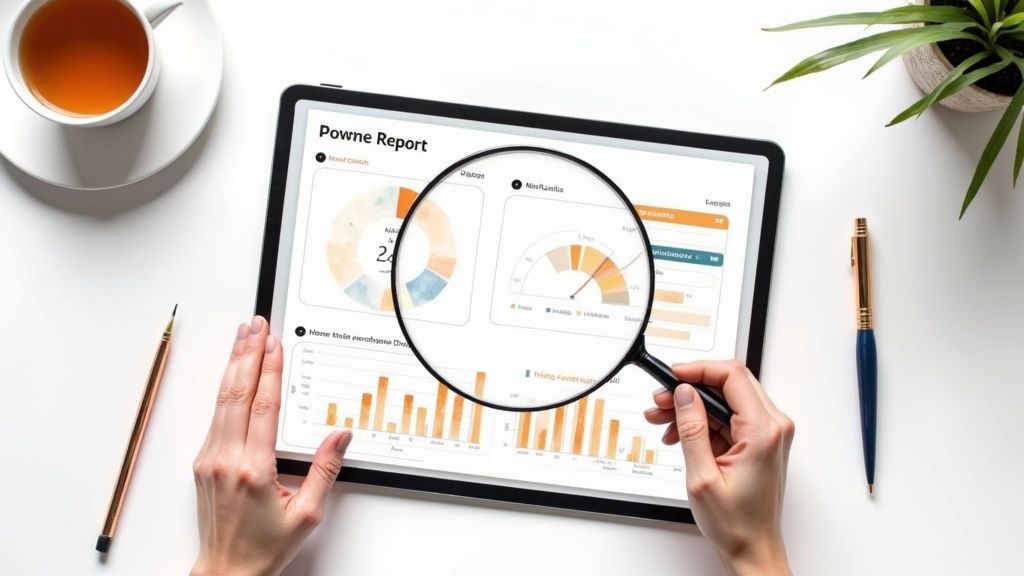
Your hormone report has arrived. The key to revealing its power for longevity is to shift your focus from what's 'normal' to what's 'optimal' for you. Standard lab ranges are averages from a general population, not a benchmark for peak healthspan. Your goal is to understand what's ideal for your body to thrive for longer.
This is where data meets action. The test provides the raw numbers, but it’s your lifestyle that translates them into real-world health improvements. Think of it as converting a data point on a page into a concrete, positive change that will benefit you for years to come.
From Data Points to Daily Habits
Let’s say your results show consistently high cortisol. Instead of seeing a high number, view it as a direct message from your body to prioritise stress management—a critical pillar of any longevity plan. This might be the catalyst to finally commit to a 10-minute morning mindfulness practice or to implement a non-negotiable tech-free hour before bed to improve sleep quality.
Or perhaps your report indicates low progesterone. This is your cue to explore nutritional strategies, like adding more foods rich in zinc and vitamin B6 to support its natural production. This is how data becomes your personal health roadmap. For a more detailed breakdown, our guide on how to understand your blood test results is a great place to start.
This personalised insight is especially powerful during life transitions like menopause. With nearly 4.4 million women in the UK expected to be menopausal by 2025, proactive monitoring is essential for long-term health. The nearly 13 million HRT prescriptions in 2023/24 show just how many people are navigating major hormonal changes, making this personal data more critical than ever for managing healthspan.
Your report isn't the end point—it's the start of an informed conversation with your body. It provides a clear baseline for targeted changes that compound over time, building a solid foundation for a longer, healthier life.
Building Your Personal Action Plan
Let’s walk through a real-world example. A man's results show his testosterone is at the lower end of the optimal range. This single data point enables him to make specific, targeted changes to support healthy ageing. If this resonates, you might find this article on how to naturally increase testosterone useful.
His longevity-focused action plan could include:
- Refine Nutrition: Increase intake of healthy fats from avocados, nuts, and olive oil to support hormone synthesis.
- Focus the Workouts: Prioritise resistance training with compound movements, proven to support testosterone production and preserve muscle mass.
- Lock in Sleep: Make 7-8 hours of quality sleep non-negotiable, as this is when critical hormone regulation and cellular repair occur.
When To Discuss Your Results With A Professional
Receiving your hormone test results is an supporting first step. You now have objective data to make smarter, more informed choices about your daily habits that directly impact your longevity.
However, it’s vital to see these results as the start of a conversation, not the final word. This information is your personal tool, helping you become a more effective advocate for your own long-term health and well-being.
Your at-home test results are perfect for guiding lifestyle modifications to your diet, exercise, or stress management. They are not a substitute for a formal diagnosis or medical advice. Think of your results as a detailed health log that enables a more productive and data-driven conversation with an expert.
Preparing For Your Appointment
When you decide to speak with your GP or a functional medicine practitioner, being organised will make the consultation far more effective. Don't just present the report. Instead, frame the conversation around your long-term health goals.
Explain the symptoms you've noticed and how the data from your test appears to connect with them. This context helps your practitioner understand your proactive approach to managing your health.
Bringing your at-home test results to a professional isn't about seeking an instant diagnosis. It's about providing valuable, objective data that helps them see a more complete picture of your health, accelerating the path to effective, personalised solutions.
Despite the rise of at-home testing, health literacy remains a challenge. Recent studies show over half of UK women (58%) feel they have low knowledge of their hormonal health, and obtaining a diagnosis for a hormonal disorder can take longer than six months.
Medical experts agree that while these tests provide autonomy, their true power is discovered when used alongside professional guidance. You can explore more about these hormonal health trends from recent research.
Questions To Ask Your Doctor
To maximise your consultation, go prepared with specific, forward-looking questions. This helps ensure you leave with a clear, actionable plan.
- Based on these results and my symptoms, are there any other biomarkers we should investigate for a complete picture?
- How do these hormone levels relate to my long-term health goals, like preserving bone density or optimising cognitive function?
- Are there specific lifestyle or nutritional changes you would recommend prioritising based on this data?
This collaborative approach allows you to use your at-home test results as intended: as a useful resource for taking control of your healthspan, responsibly and effectively.
Common Questions About At-Home Hormone Testing
Even with a clear understanding, it's normal to have questions before you test hormones at home. Here are some of the most common queries, answered to help you move forward with confidence in your health path.
Just How Accurate Are These Tests?
This is the most critical question, and the answer is simple: reputable at-home hormone tests are extremely accurate. They use the same UKAS-accredited labs that the NHS and private clinics rely on for analysis.
The only real variable is the sample collection. Instead of a venous blood draw, you provide a simple finger-prick sample. As long as you follow the collection instructions meticulously, the results will reliably reflect your hormone levels. The accuracy of your data is directly tied to the quality of your sample.
When Is the Best Time in My Cycle to Test?
This depends entirely on what you want to measure.
If you have a regular cycle and are assessing reproductive hormones like oestrogen or progesterone, timing is critical. For example, to confirm ovulation, you must test your progesterone levels about seven days before your period. Testing on the wrong day renders the result meaningless.
However, for general longevity markers like thyroid function or cortisol, the specific day of your cycle is less important than the time of day. Always follow the specific instructions included with your test kit—they are designed to ensure you get actionable, accurate data.
A common error is assuming results will be consistent regardless of timing. For anything related to your menstrual cycle, following the timing guidelines is non-negotiable for obtaining useful information.
Can I Still Test if I’m on HRT or Contraception?
Yes, but it's essential to understand what the results will show. If you're on hormonal contraception, your results will reflect the medication's effect, which typically suppresses your natural hormones. It won't reveal your underlying baseline.
For those on Hormone Replacement Therapy (HRT), testing is an excellent monitoring tool. It helps you and your doctor ensure your dosage is optimised for your health goals. It's important to inform the lab and your doctor that you are on HRT for correct interpretation. Most importantly, never stop taking prescribed medication without consulting your doctor first.
Ready to gain a clear understanding of your internal health and take control of your longevity? With Lola, you can access professional, lab-analysed hormone testing from the comfort of your home. Explore our at-home testing kits today and start your path towards optimal, long-term well-being.
At-Home Blood Testing
Check your levels from home
Professional phlebotomist visit. Doctor-reviewed results in 2-5 days. Track your health with comprehensive blood panels.
→45-70 biomarkers tested · Venous blood draw · From £130