


Most people think a blood test simply checks your cholesterol or tells if you are under the weather. Yet modern blood analysis has become far more advanced. New testing methods now measure over 200 biomarkers from a single sample and can spot diseases long before symptoms appear. This means a routine blood test could reveal life altering information years in advance, turning ordinary check ups into powerful tools for personalised medicine.
Table of Contents
- What Are Blood Tests And Their Purpose?
- The Importance Of Blood Testing In Modern Medicine
- How Blood Tests Aid In Diagnosis And Monitoring
- Key Components Of Blood Tests And Their Implications
- The Future Of Blood Testing And Its Impact On Healthcare
Quick Summary
| Takeaway | Explanation |
|---|---|
| Blood tests assess overall health status | They provide insights into various biological markers important for diagnosing health conditions. |
| Early detection aids in treatment | Blood tests enable the identification of diseases before they become more serious, allowing prompt intervention. |
| Technological advancements enhance accuracy | Modern techniques such as AI and molecular diagnostics improve the reliability and speed of blood analysis. |
| Personalised healthcare strategies stem from blood testing | Tailored treatment plans developed from blood test results promote better outcomes for individual patients. |
| Continuous health monitoring is vital | Regular blood tests help track chronic conditions and how well treatments are working, ensuring effective management. |
What Are Blood Tests and Their Purpose?
Blood tests are sophisticated medical diagnostic tools that provide clinicians with invaluable insights into a patient’s overall health status. Blood tests from the NHS represent a full method of analysing various components within a patient’s bloodstream, offering critical information about physiological functioning and potential health risks.
Understanding Blood Test Fundamentals
At their core, blood tests involve extracting a small blood sample through venipuncture and examining its composition in a specialised laboratory. These tests measure multiple biological markers, including red and white blood cells, platelets, proteins, hormones, and important biochemical substances. By analysing these components, healthcare professionals can detect potential diseases, monitor existing conditions, and assess overall metabolic health.
The following table summarises the primary components typically examined in blood tests, alongside their diagnostic implications for clinicians and patients.
| Component | What It Measures | Clinical Significance |
|---|---|---|
| Red blood cell count/Haemoglobin | Oxygen-carrying cells and pigment | Detects anaemia, bleeding, or oxygen transport issues |
| White blood cell count | Immune system cells | Indicates infections, inflammation, or immune disorders |
| Platelets | Blood clotting elements | Identifies clotting problems or risk of bleeding |
| Cholesterol/Lipid profile | Blood fats | Assesses cardiovascular risk and metabolic health |
| Glucose/Insulin | Blood sugar and regulatory hormone | Screens for diabetes, hypoglycaemia, or metabolic issues |
| Electrolytes | Blood salts (e.g., sodium, potassium) | Reveals dehydration, kidney function, and imbalances |
| Hormone levels | Thyroid, reproductive and metabolic | Diagnoses endocrine disorders and hormonal dysfunction |
Key Components Typically Examined in Blood Tests:
- Red blood cell count and haemoglobin levels
- White blood cell composition
- Cholesterol and lipid profiles
- Glucose and insulin levels
- Hormone concentrations
- Electrolyte balance
Diagnostic and Preventative Roles
Blood tests serve multiple critical functions in clinical practice. They enable early detection of potential health issues, track disease progression, evaluate treatment effectiveness, and provide baseline measurements for ongoing health monitoring. Research from the Royal College of Pathologists highlights that these tests are fundamental in creating personalised healthcare strategies.
For clinicians, blood tests are not merely diagnostic tools but thorough health assessment instruments. They transform abstract health data into actionable medical insights, allowing practitioners to develop targeted interventions and personalised treatment plans. Interested readers can learn more about thorough blood testing strategies to understand their broader healthcare implications.
The Importance of Blood Testing in Modern Medicine
Blood testing has changed medical diagnostics, transforming how healthcare professionals understand, predict, and manage patient health. Research from the British Medical Journal demonstrates that modern blood tests are far more than simple diagnostic tools they are sophisticated predictive and preventative health technologies.
Precision Medicine and Personalised Healthcare
In contemporary medical practice, blood tests serve as foundational elements of precision medicine. These advanced diagnostic techniques enable clinicians to develop highly targeted treatment strategies tailored to individual genetic, metabolic, and physiological profiles. By analysing specific biomarkers, physicians can now anticipate potential health risks, detect diseases at early stages, and design interventions that are uniquely suited to each patient.
Critical Aspects of Modern Blood Testing:
- Early disease detection
- Personalised treatment planning
- Precise risk assessment
- Continuous health monitoring
- Genetic and metabolic insights
Technological Advancements in Blood Analysis
Technological innovations have dramatically enhanced blood testing capabilities. Modern laboratories utilise sophisticated techniques like mass spectrometry, molecular diagnostics, and artificial intelligence algorithms to extract increasingly detailed insights from blood samples. Advances reported by the Royal College of Pathologists highlight how these technological breakthroughs enable faster, more accurate, and more thorough health assessments.
For healthcare professionals, blood tests are now powerful predictive tools that go beyond traditional diagnostic approaches. Explore our thorough guide on technological innovations in blood testing to understand how these advancements are reshaping modern medical practice. By transforming complex biological data into actionable medical intelligence, blood tests have become indispensable in delivering proactive, patient-centred healthcare.
This table compares the traditional and modern roles of blood testing in clinical practice, highlighting how advancements have broadened the clinical applications of these tests.
| Aspect | Traditional Blood Testing | Modern Blood Testing |
|---|---|---|
| Focus | Diagnosis of existing disease | Early detection, prevention, and personalised medicine |
| Biomarkers Measured | Limited core markers (e.g., glucose, cholesterol) | 200+ biomarkers, including genetic and metabolic profiles |
| Technology Utilised | Manual analysis, basic chemistry | AI, molecular diagnostics, mass spectrometry |
| Health Strategy | General disease management | Individualised treatment, proactive health monitoring |
| Speed/Accuracy | Moderate, slower turnaround | Enhanced accuracy, faster results |
| Example Application | Detecting anaemia or infection | Personalised cancer screening, predicting cardiovascular risk |
How Blood Tests Aid in Diagnosis and Monitoring
Blood tests is important in modern medical diagnostics, offering clinicians powerful tools for detecting, understanding, and tracking various health conditions. Research from the National Institutes of Health demonstrates that these tests are sophisticated diagnostic instruments enabling thorough health assessment.
Diagnostic Capabilities of Blood Tests
Clinicians utilise blood tests to identify and confirm numerous medical conditions by examining specific biomarkers and biological indicators. These tests can detect infections, inflammatory responses, metabolic disorders, and potential systemic diseases before they become clinically apparent. By measuring precise biochemical parameters, healthcare professionals can obtain detailed insights into a patient’s physiological state, enabling early intervention and targeted treatment strategies.
Key Diagnostic Applications:
- Identifying underlying inflammatory conditions
- Detecting viral and bacterial infections
- Assessing organ function and metabolic health
- Screening for genetic predispositions
- Evaluating nutritional deficiencies
Continuous Health Monitoring and Treatment Evaluation
Beyond initial diagnosis, blood tests are important for ongoing health monitoring and treatment effectiveness assessment. Regular testing allows clinicians to track disease progression, adjust medication dosages, and evaluate a patient’s response to specific interventions. Scientific evidence published in the British Medical Journal underscores the significance of serial blood testing in managing chronic conditions and preventing potential complications.
Explore our thorough guide on blood tests for heart disease to understand how these diagnostic tools provide critical insights into cardiovascular health. By transforming complex biological data into actionable medical intelligence, blood tests have become indispensable in delivering precise, personalised healthcare strategies.
Key Components of Blood Tests and Their Implications
Blood tests comprise multiple sophisticated components that provide thorough insights into an individual’s physiological health. Research from the NHS reveals that these components offer clinicians a detailed understanding of bodily functions, potential diseases, and overall metabolic performance.
Essential Blood Test Components
Clinicians analyse various critical markers during blood testing, each providing unique diagnostic information.
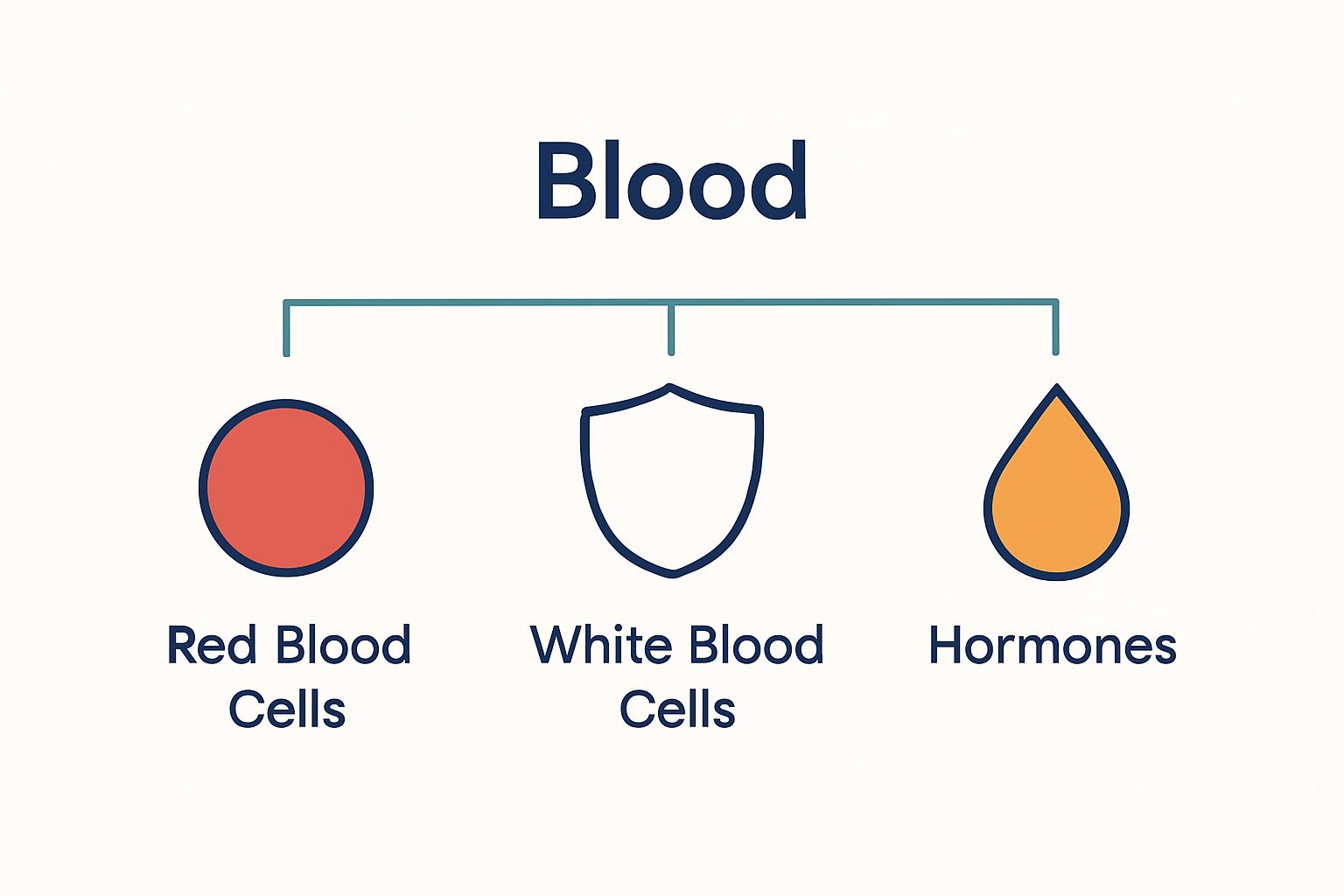 Red and white blood cell counts, for instance, offer insights into potential infections, anaemia, and immune system functioning. Biochemical markers like electrolytes, enzymes, and hormones reveal intricate details about organ performance, metabolic processes, and potential systemic imbalances.
Primary Blood Test Markers:
- Haemoglobin and red blood cell count
- White blood cell differential
- Cholesterol and triglyceride levels
- Liver enzyme concentrations
- Kidney function indicators
- Thyroid hormone levels
Interpreting Biochemical Signals
Understanding blood test results requires sophisticated medical expertise. Abnormal readings do not necessarily indicate disease but prompt further investigation. Elevated liver enzymes might suggest inflammation, while unusual glucose levels could indicate potential metabolic disorders. Advanced diagnostic techniques enable clinicians to decode these complex biochemical signals and develop targeted healthcare strategies.
Learn more about critical blood test markers to understand how these intricate components provide a window into your body’s complex physiological landscape. By transforming microscopic biological data into meaningful health insights, blood tests helps both clinicians and patients to make informed healthcare decisions.

The Future of Blood Testing and Its Impact on Healthcare
Blood testing technologies are rapidly evolving, transforming healthcare from reactive treatment to proactive prevention. Research from the National Institutes of Health highlights emerging technologies that promise unprecedented insights into human health and disease management.
Technological Innovations in Blood Testing
Advanced diagnostic technologies are changing how clinicians approach medical testing. Artificial intelligence and machine learning algorithms now enable more precise interpretation of complex biological data. Emerging techniques like liquid biopsy and molecular diagnostics allow for detecting minute cellular changes, potentially identifying diseases at their earliest stages before traditional diagnostic methods become effective.
Emerging Blood Testing Technologies:
- Artificial intelligence driven diagnostics
- Molecular profiling techniques
- Genomic and proteomic analysis
- Non invasive screening methods
- Real time health monitoring systems
- Personalised predictive healthcare models
Precision Medicine and Personalised Healthcare
The future of blood testing lies in creating highly individualised healthcare strategies. These advanced diagnostic tools will enable clinicians to develop treatment plans tailored to an individual’s unique genetic makeup, metabolic profile, and specific health risks. By understanding subtle biochemical variations, healthcare professionals can implement targeted interventions that are significantly more effective than traditional one size fits all approaches.
Learn more about personalised blood testing approaches to understand how these technological advancements are reshaping medical diagnostics. The convergence of advanced technologies promises a future where blood tests become powerful predictive tools, transforming healthcare from reactive treatment to proactive prevention.
Bring Clinical Precision to Your Health with Lola Health
Imagine having the same clarity and insights that clinicians rely on every day to make vital decisions about health. This article highlights how blood tests transform complex data into meaningful answers, guiding both diagnosis and long-term monitoring. Yet, many people still face the challenge of accessing thorough, accurate blood testing and interpreting results confidently. If you want to move from uncertainty to actionable understanding, now is the perfect moment to take control.
Discover Lola Bundles for in-depth, at-home or clinic blood tests reviewed by doctors. Each test covers up to 70 biomarkers, from cardiovascular to hormonal and metabolic health, helping you and your clinician with detailed information for tailored care.

Ready to experience clinic-level precision from the comfort of your home? Order your Lola Health test online and book a professional nurse visit today. Your verified results arrive securely within 2 to 4 business days, giving you fast, trusted insights for better wellbeing. If you know someone who could benefit from proactive health monitoring, consider our Gift Cards for Blood Testing as a meaningful next step. Take charge of your future and see what your blood can reveal today.
Frequently Asked Questions
What is the primary purpose of blood tests in healthcare?
Blood tests are used to analyse various components in the bloodstream, helping clinicians detect potential diseases, monitor existing conditions, and assess overall health.
How do blood tests contribute to personalised healthcare?
Blood tests provide critical biomarkers that allow clinicians to develop tailored treatment plans based on an individual’s genetic, metabolic, and physiological profiles.
What are the key components typically examined in a blood test?
Common components include red and white blood cell counts, cholesterol and lipid profiles, glucose levels, hormone concentrations, and electrolyte balance, each providing valuable insights into health status.
How can blood tests aid in the monitoring of chronic conditions?
Regular blood tests allow healthcare professionals to track disease progression, adjust treatment plans, and evaluate a patient’s response to specific interventions, helping to prevent complications.
Recommended
- Why Book a Clinic Blood Test? Understanding Its Importance – Lola Health
- Women’s Health Blood Tests Guide: Navigate Your Health in 2025 – Lola Health
- Understanding the Difference Between At-Home and Clinic Blood Tests – Lola Health
- Remote Blood Collection Guide: Optimise Your Health Efficiently – Lola Health
- Allergietest door Dry Blood Spot testing - Mijn Voedsel Intolerantie Test
- InsideTracker - Featured in Science of Mindsets for Health & Performance | Dr. Alia Crum | Prodcast
At-Home Blood Testing
Check your levels from home
Professional phlebotomist visit. Doctor-reviewed results in 2-5 days. Track your health with comprehensive blood panels.
→45-70 biomarkers tested · Venous blood draw · From £130