


A simple blood test for vitamin and mineral deficiency is one of the most powerful tools for building a long-term health strategy. It’s a proactive way to measure key micronutrient levels, revealing the "hidden hunger" that can quietly compromise your healthspan—the number of years you live in good health. By identifying these gaps early, you can take precise, actionable steps to support your body's longevity pathways.
The Hidden Hunger Sabotaging Your Healthspan
Many of us go through our days feeling tired or just a bit 'off' without really knowing why. It’s easy to blame stress or a bad night’s sleep, but often the real culprit is deeper: a 'hidden hunger'. This isn’t about a lack of calories; it’s about subtle micronutrient deficiencies that silently undermine our cellular health and accelerate the ageing process, even when we feel generally well.
Think of your body like a high-performance engine designed for a long journey. If you consistently use slightly impure fuel, you might not notice the effects right away, but over time, cumulative damage is inevitable. Small but persistent gaps in essential vitamins and minerals can impair cellular repair, weaken your immune system, and slowly drain your energy reserves. This is exactly where a blood test for vitamin and mineral deficiency becomes a critical tool for longevity.
Why Small Deficiencies Have a Big Impact on Longevity
These micronutrient shortfalls are far more common in the UK than most people realise. The latest NHS data from 2023-24 is quite telling: hospital admissions in England for iron deficiency alone hit an alarming 191,927 cases, which is an 11% jump from the previous year.
And it’s not just iron. Admissions for anaemia linked to vitamin B12 or folate deficiencies have actually quadrupled since the late 1990s. This isn't just a collection of statistics; it's a clear signal of a growing public health issue that directly impacts our ability to live long, healthy lives.
By identifying these gaps early, you can shift from simply reacting to illness to proactively building resilience and extending your vibrant years. It’s about fine-tuning your biological machinery for the long run.
Understanding the widespread impact of chronic illnesses helps put this into perspective, showing how this 'hidden hunger' can quietly contribute to the age-related conditions we all want to avoid.
A Proactive Strategy for a Longer, Healthier Life
When you start looking at nutrient testing through the lens of longevity, its purpose changes completely. This isn't just about diagnosing a current sickness; it's an investment in your future self. By ensuring your body has all the raw materials it needs, you're directly supporting the fundamental processes that promote healthy ageing.
What kind of processes are we talking about?
- Efficient Cellular Repair: Nutrients like zinc and magnesium are absolutely vital for DNA repair, helping to fend off the cellular damage that is a hallmark of ageing.
- strong Immune Function: Vitamins D and C are the cornerstones of a strong immune system—a system that naturally weakens with age unless it's properly supported.
- Sustained Energy Production: Think of B vitamins as the spark plugs for your mitochondria, the powerhouses of your cells. They’re essential for converting food into the energy that keeps you active and engaged with life.
This approach is a core part of a holistic view of wellbeing, where optimising your nutrition is a key pillar alongside other essentials like hydration and sleep. You can learn more about how to bring all these elements together for better longevity in our guide: https://lolahealth.com/blogs/longevity/top-tips-on-hydration-nutrition-exercise-sleep.
a nutrient blood test isn’t just another check-up. It's a foundational step toward finding your body's full potential for a long and healthy life.
Decoding the Key Biomarkers for Longevity
a full blood panel does more than just give you a snapshot of your current health; it provides actionable data for extending your healthspan. Understanding the key biomarkers and what they actually do takes you beyond surface-level wellness chat. It’s about fine-tuning your body’s internal environment to slow the ageing process at a cellular level.
This proactive stance is more important now than ever. Over the last two decades, the average dietary intake of several key vitamins and minerals has dropped sharply across all UK population groups. For example, vitamin A intake fell by 21%, vitamin D by 22%, and folate by a significant 10%. You can explore these findings in the Health Sciences Institute (HSIS) report on UK dietary trends.
The Micronutrients That Shape Your Healthspan
When we talk about longevity, certain vitamins and minerals are the headline acts. A blood test for vitamin and mineral deficiency is the only way to get the precise data you need to optimise these vital nutrients.
Take Vitamin D. We often think of it as the "bone vitamin," but it's really a powerful pro-hormone. It actively influences the expression of genes linked to your immune system, inflammation, and cellular health. Having optimal levels means your body is better equipped to manage inflammation and maintain strong cells—two absolute cornerstones of healthy ageing.
Then there’s Vitamin B12, which is absolutely essential for healthy nerve function and mitochondrial energy production. A deficiency can lead to persistent fatigue or brain fog, directly impacting your daily vitality and long-term cognitive health. It’s a critical player in protecting your neurological system as you get older.
The image below gives you a clear idea of just how common some of these deficiencies are.
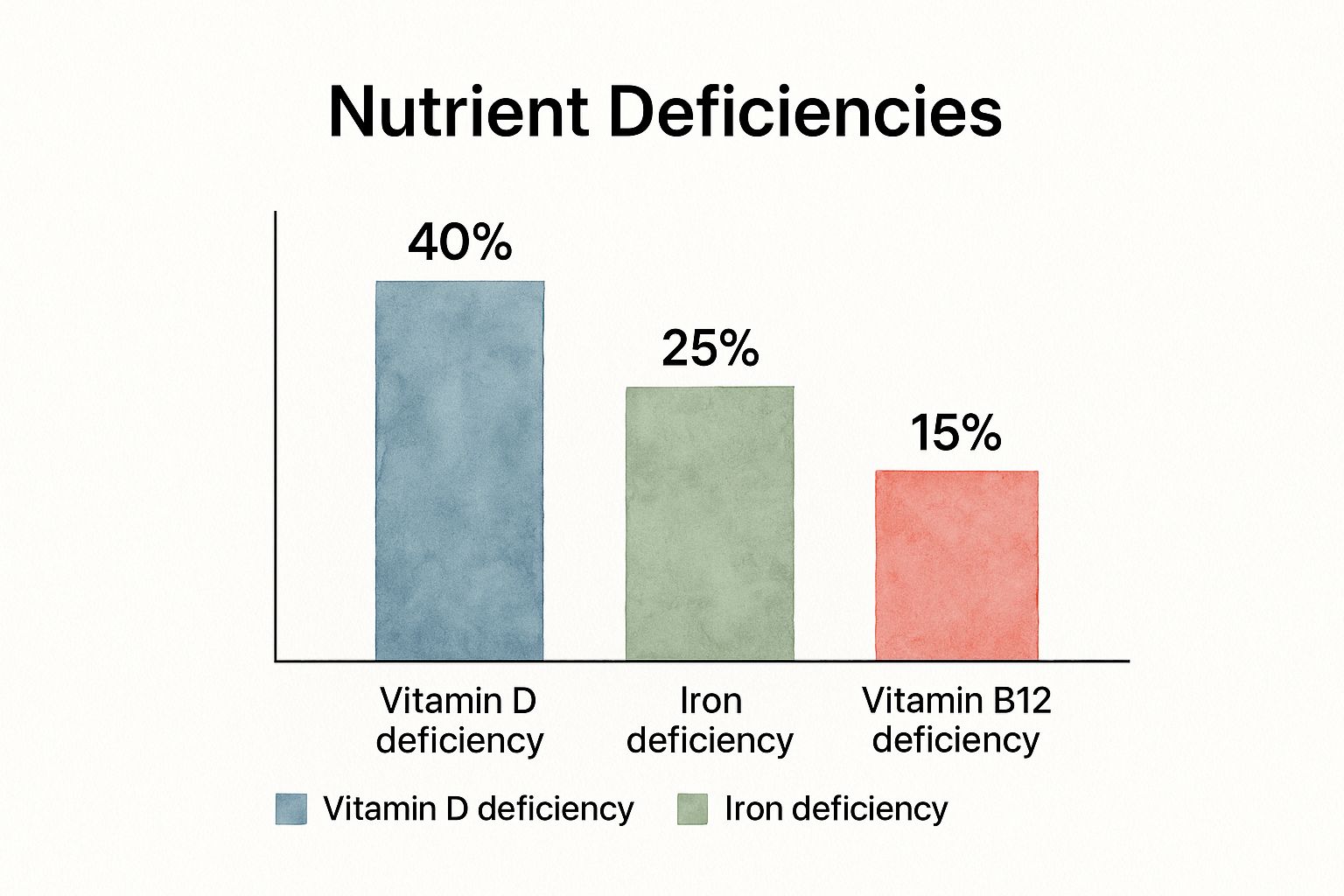
This data really brings it home. It shows just how widespread these shortfalls are, with a huge portion of the population missing out on nutrients that are fundamental for their long-term wellness and longevity.
Minerals: The Unsung Heroes of Cellular Health
Beyond vitamins, key minerals are the foundational building blocks for countless processes that underpin a long and healthy life.
Iron is indispensable, and we need to look at both serum levels and ferritin (your iron stores) to get the full picture. It’s the taxi service that delivers oxygen to every single cell, fuelling cellular energy. Low ferritin, even within the "normal" lab range, can seriously impair mitochondrial function, impacting your energy and focus.
Magnesium is another giant in the longevity world. It’s involved in over 300 biochemical reactions, including important jobs like DNA repair and energy production. You can think of it as the master mineral that helps protect your genetic blueprint from the wear and tear of ageing.
Zinc acts as a gatekeeper for your immune system. It's vital for the development and function of your immune cells, making it a powerful ally in maintaining immune resilience, which is critical as we age.
The following table breaks down some of the most important biomarkers to keep an eye on for healthy ageing, explaining what they do and the signs to watch for if you’re running low.
Key Vitamin and Mineral Biomarkers for Longevity
| Biomarker | Role in Longevity | Common Deficiency Symptoms |
|---|---|---|
| Vitamin D | Regulates gene expression, supports immune function, and maintains bone density. | Fatigue, frequent illnesses, bone and back pain, low mood. |
| Vitamin B12 | Essential for nerve health, red blood cell production, and cognitive function. | Tiredness, weakness, brain fog, pins and needles, mouth ulcers. |
| Iron (Ferritin) | important for oxygen transport and cellular energy production. | Extreme fatigue, shortness of breath, pale skin, hair loss. |
| Magnesium | Involved in over 300 enzyme reactions, including DNA repair and energy metabolism. | Muscle cramps, fatigue, irregular heartbeat, anxiety. |
| Zinc | Supports immune cell function, wound healing, and protects against oxidative stress. | Poor immunity, slow-healing wounds, loss of taste or smell. |
| Folate (B9) | Key for DNA synthesis and repair, and preventing age-related cognitive decline. | Fatigue, irritability, poor concentration, grey hair. |
Tracking these specific markers allows you to move from simply guessing about your health to making precise, informed adjustments that support a longer healthspan.
Our guide on the most important blood test markers for longevity dives even deeper into these and other critical biomarkers. By arming yourself with this knowledge, you can take targeted action based on your unique biological data, setting the stage for a longer, healthier life.
Who Is Most at Risk for Nutrient Gaps?
While a nutrient gap can technically affect anyone, some of us are much more likely to develop one due to our lifestyle, diet, or stage of life. Knowing these risk factors is the first step towards a personalised longevity strategy. It helps explain why a proactive blood test for vitamin and mineral deficiency isn't just a "nice-to-have," but an essential tool for protecting your long-term health.
Here in the UK, one of the most common issues is the notorious ‘winter deficiency’ in Vitamin D. It’s simple, really: we don't get enough sunlight during the autumn and winter for our bodies to produce this important pro-hormone. Data from the UK Biobank backs this up, showing deficiency rates peaking in winter (23.1%) and spring (20%). These public health findings on nutrient deficiency also point to higher risks for men, smokers, and those living in more deprived areas.
Dietary Choices and Their Impact on Longevity
It goes without saying that what you eat is the biggest factor. Certain ways of eating, even when they’re incredibly healthy, can leave predictable gaps in your nutrient intake. A plant-based or vegan diet, for instance, has countless benefits but comes with a higher risk for specific deficiencies if you aren't supplementing carefully.
Take Vitamin B12. It's almost exclusively found in animal products. If you're not getting it from your diet, levels can slowly decline, eventually impacting nerve health and the cellular energy important for vitality. Similarly, the iron found in plants (non-haem iron) isn't absorbed as efficiently as the iron from animal sources, so maintaining optimal levels for energy production requires more strategic planning.
Realising your diet might have blind spots isn't about giving up your choices. It’s about making them work better for your long-term health. A blood test gives you the exact map you need to fill those gaps smartly, without any guesswork.
How Ageing Affects Nutrient Absorption
Getting older brings a wealth of wisdom, but it also brings changes to our bodies that can make it harder to absorb nutrients from our food. This is often called age-related malabsorption, and it puts older adults at a much higher risk of deficiency, accelerating the ageing process if left unchecked.
A few key things happen as we age:
- Less Stomach Acid: Our stomachs tend to produce less acid, which is vital for absorbing key minerals like calcium and iron, and especially for releasing Vitamin B12 from food.
- Reduced Enzyme Production: The digestive enzymes that break down our food can become less efficient, meaning we don’t extract all the goodness from what we eat.
- Medication Interference: Many common medications for older adults can unfortunately get in the way of absorbing nutrients like magnesium and various B vitamins.
This combination of factors means that just when your body needs more support to combat ageing, its ability to get it from food is actually decreasing. That's why regular testing is such a powerful part of any longevity plan. If you'd like to dive deeper, our guide on women's health blood tests provides some excellent insights into other key markers.
Right, so you've decided to get a blood test to check your vitamin and mineral levels. That's a brilliant move for taking charge of your long-term health. But to ensure the results provide actionable insights, a little bit of prep work is needed.
Think of it this way: you want the test to show your body's true, baseline state. If you've just had a big meal or thrashed it at the gym, your results could be skewed, giving you a wonky picture of what’s really going on. Getting the preparation right means your results become a clear, reliable roadmap for your healthspan.
Whether you’re heading to your GP or using a private service, the prep is pretty much the same. It’s all about creating a controlled, stable environment inside your body so the test can do its job accurately.
Your Pre-Test Preparation Checklist
To get a truly accurate snapshot of your nutrient levels, there are a few simple but non-negotiable steps to follow. Following these guidelines helps ensure your results are reliable, not just for now, but also for tracking your progress over time as part of your longevity strategy.
-
Fasting is Usually Necessary: For many tests, especially those looking at iron or blood sugar, you’ll need to fast for 8-12 hours beforehand. This just means no food or drink, apart from water. It's always best to double-check the specific fasting rules for the test panel you’re having.
-
Timing is Everything: Some biomarkers in your blood naturally rise and fall throughout the day. Iron, for instance, tends to be at its highest in the morning. To keep your results consistent, try to schedule your blood draw for early in the day, ideally before 10 AM.
-
Hydrate, Hydrate, Hydrate: Drinking plenty of water is a simple trick that makes a big difference. When you’re well-hydrated, your veins are easier to find, which makes the whole blood draw process much quicker and more comfortable.
-
Take a Rest Day: Strenuous exercise in the 24 hours leading up to your test can temporarily throw off certain markers, like those for inflammation. It’s best to skip the heavy workout and opt for something gentle, like a walk.
At-Home Finger-Prick vs. Professional Blood Draw
When it comes to how your blood is collected, you’ve got a couple of options. The at-home finger-prick kits are gaining popularity for their convenience, but if you’re serious about getting a deep and thorough analysis for longevity, nothing beats a proper venous blood draw.
A venous blood draw is where a trained professional takes blood from a vein in your arm. This method provides a much larger and higher-quality sample than a finger-prick test. For detailed longevity-focused testing, this is important. It allows for a wider range of tests to be run with greater accuracy, picking up on the subtle imbalances that can affect your long-term health. The chance of the lab being able to successfully analyse the sample is also much higher.
Reading Your Results for Optimal Health

When you get your lab report back from a blood test for vitamin and mineral deficiency, it's easy to just glance at the numbers. But what you're holding is much more than a simple list; it's a personalised map to a healthier, longer life—if you know how to read it. The first actionable insight is grasping the important difference between a ‘normal’ result and an ‘optimal’ one.
A ‘normal’ range is just a statistical average calculated from a huge group of people. If you fall within this range, it generally means you're not clinically ill at this very moment. It’s a baseline for avoiding immediate sickness, not a target for feeling fantastic and ageing well.
Beyond Normal Toward Optimal
To find your longevity potential, you need to aim for ‘optimal’ ranges. These are the levels that research links to strong health, strong resilience, and healthy ageing. Think of it like maintaining your car. The ‘normal’ oil level is anything above the minimum mark that stops the engine seizing. But for peak performance and engine longevity, the ‘optimal’ level is right near the top of the dipstick.
Your body isn't much different. For instance, the NHS often considers a Vitamin D level above 25 nanomoles per litre (nmol/L) to be 'acceptable'. Yet, for powerful immune function and long-term cellular health, many longevity experts recommend levels well above 75 nmol/L. That massive gap is where the real power of testing comes in, giving you an actionable target to fine-tune your biology for the long haul.
Spotting Patterns for a Healthier Future
Reviewing your results isn't just about checking off individual markers. The real magic happens when you start spotting patterns that tell a bigger story about your cellular health.
You might notice, for example, that your B12 and ferritin (your iron stores) are both hovering at the low end of the ‘normal’ range. On their own, neither might be flagged as a clinical deficiency. But together? They could be the culprits behind that persistent fatigue and brain fog you can't shake. This insight lets you take targeted action before these borderline issues snowball into something that accelerates ageing.
Another common pattern is seeing low magnesium alongside low Vitamin D. Because magnesium is vital for activating Vitamin D in the body, having both on the low side points to a deeper issue. If you started taking Vitamin D supplements without addressing the magnesium shortfall, you'd be getting a fraction of the benefit.
Interpreting your results is like being a detective for your own health. By looking beyond single data points and seeing the connections between them, you can build a truly personalised and proactive wellness strategy.
Having an Informed Conversation
Once you understand these nuances, you can have a far more meaningful conversation with your healthcare professional. You can move beyond simply asking, "Are my results normal?" and start digging deeper with specific, informed questions focused on longevity.
- "My Vitamin D is 50 nmol/L, which is technically 'normal', but what level should I be aiming for to really support my immune health long-term?"
- "I've noticed my ferritin is quite low even though my iron is normal. What could this mean for my cellular energy and long-term vitality?"
- "Considering my goal of healthy ageing, are there any particular nutrient levels we should be monitoring closely over the next few years?"
This proactive mindset transforms a routine check-up into a strategic planning session for your health. It shifts the focus from just avoiding disease to actively building a foundation for decades of vibrant living.
Right, so you've got your test results. What now? This is where data turns into action—translating those numbers into tangible improvements in your healthspan. This isn't about chasing a quick fix; it's about building a smart, sustainable plan for the long haul.
The most effective place to start is always with what’s on your plate. Before you even think about supplements, let’s focus on food. Once you know exactly which nutrients you're lacking, the next logical step involves creating customized menus for dietary restrictions that specifically target those gaps.
For instance, if your results point to low iron, your first port of call should be adding more spinach, lentils, and maybe a bit of lean red meat into your meals. Is magnesium looking a bit low? Time to get more pumpkin seeds, almonds, and dark leafy greens into your diet.
Choosing and Pairing Your Supplements
Sometimes, food alone won't cut it, and that’s when high-quality, targeted supplements come into play. But it’s important to understand that not all supplements are made equal. The key concept here is bioavailability—which is just a fancy way of saying how much of a nutrient your body can actually absorb and put to good use.
This is why the specific form of a nutrient matters so much. You'll often find that magnesium glycinate, for example, is much better absorbed and kinder on your stomach than the cheaper magnesium oxide. In the same way, taking an iron supplement alongside Vitamin C can dramatically increase how much iron your body actually absorbs.
A smart supplement strategy is all about combination, not just plugging a hole. When you understand how different nutrients work together, you can seriously amplify their benefits and get much better results.
Certain pairings are particularly powerful, especially when you’re thinking about long-term health:
- Vitamin D3 with K2: Think of them as a team. Vitamin D helps your body absorb calcium, but it’s Vitamin K2 that tells that calcium where to go—to your bones and teeth, not your arteries.
- Iron with Vitamin C: Vitamin C is iron’s best friend. It massively boosts the absorption of non-haem iron (the kind you get from plants and supplements).
- Magnesium with Vitamin D: Your body actually needs magnesium to switch on Vitamin D and convert it into its active form. Without enough magnesium, that D supplement won't do you much good.
The Cycle of Optimisation: Re-test and Refine
Your first blood test is just a snapshot, a single moment in time. To genuinely improve your health for the long run, you need to think of this as a continuous cycle of improvement. This is the core of a data-driven approach to longevity.
After you've diligently followed your new diet and supplement plan for about 3-4 months, it's time to test again. This follow-up gives you priceless feedback. It shows you what’s working, what isn’t, and what needs a tweak. It turns your health plan from guesswork into a precise, data-led process.
Did your Vitamin D levels hit that optimal longevity range? Have your ferritin stores recovered? Answering these questions lets you fine-tune your approach, making sure you’re always moving in the right direction. This proactive loop of testing, acting, and re-evaluating is the foundation of any truly effective longevity strategy.
At Lola, we're all about helping you with precise data to build a healthier future. Our thorough blood tests, analysed in UKAS-accredited labs, provide the clear insights you need to take control of your wellness. Move beyond guesswork and start your personalised journey to optimal health today.
Explore our services at https://lolahealth.com.
At-Home Blood Testing
Check your levels from home
Professional phlebotomist visit. Doctor-reviewed results in 2-5 days. Track your health with comprehensive blood panels.
→45-70 biomarkers tested · Venous blood draw · From £130