


It's easy to dismiss feeling tired as just a part of modern life. But what if those subtle feelings of being "off" are a sign of something more? What if tiny nutritional gaps are quietly undermining your long-term health? Testing for vitamin and mineral deficiencies isn't just about tackling today's fatigue; it's a powerful, proactive strategy for anyone serious about optimizing their healthspan. Understanding your unique nutritional profile is the first step in building a data-driven plan for a longer, more vital life.
The Hidden Drain of Nutrient Deficiencies on Your Healthspan
Imagine your body as a high-performance vehicle designed for a long journey. To keep it running at its peak for decades, it needs more than just fuel; it requires a precise blend of premium oils, coolants, and essential fluids. Vitamins and minerals are those critical components for your body. If even one is running low, the engine might still turn over, but its performance and longevity are compromised. Over time, these small inefficiencies lead to significant wear and tear.
That’s exactly how nutrient gaps impact our longevity. A small, persistent deficiency might not trigger obvious alarm bells today, but it functions like a slow, steady leak, gradually weakening everything from your immune resilience and cellular repair mechanisms to your cognitive function and energy metabolism.
Shifting Focus from Lifespan to Healthspan
The ultimate goal isn't just adding years to your life, but adding vibrant, healthy life to your years. That distinction is the essence of healthspan—the period of life spent in good health, free from chronic disease and limitations. Nutrient deficiencies directly erode your healthspan by placing the body under a low-grade, constant state of stress, accelerating the aging process at a cellular level.
Proactive testing changes the question from, "What's wrong with me right now?" to "What can I do to optimise my biology for the future?" It gives you the power to identify and fix these nutritional leaks before they become major problems, keeping your body's systems in peak condition for the long haul.
Ultimately, testing for vitamin and mineral deficiencies is a strategic investment in your future self. It provides the hard data needed to fine-tune your biochemistry through targeted diet and supplementation, creating a foundation for lasting vitality and a longer, healthier life.
Understanding the Most Important Nutrient Blood Tests
If you’re serious about building a strategy for a long and healthy life, you need real data, not guesswork. Think of nutrient blood tests as a diagnostic scan for your body's engine—they show you precisely which fluids are optimal and which are running low. Instead of getting lost in a sea of confusing lab codes, understanding a few key tests can tell you a powerful story about your health and what to do next.
These tests go far deeper than surface-level metrics to give you a true picture of your nutritional status. They're essential tools for anyone proactively pursuing a greater healthspan, helping to pinpoint and correct imbalances long before they start to affect your long-term wellbeing. For a solid foundation, it’s helpful to understand what a mineral deficiency entails, including its common causes and symptoms.
Key Blood Tests for Longevity
When it comes to testing for vitamin and mineral deficiencies, a handful of biomarkers offer the most meaningful insights for your long-term health.
-
25-Hydroxy Vitamin D: This is the best indicator of your vitamin D status. It’s crucial not just for strong bones but also for a resilient immune system, mood regulation, and cellular health—all cornerstones of a long, healthy life.
-
Serum Ferritin: This test measures your body's stored iron, which is a much more accurate picture than just the iron floating around in your blood. Optimal iron reserves are vital for energy production and oxygen transport, fueling every cell in your body for peak performance.
-
Active B12 (Holotranscobalamin): Standard B12 tests can be misleading. This one measures the biologically active form of the vitamin that your body can actually use. Healthy levels are essential for nerve health, cognitive function, and DNA synthesis—processes absolutely critical for staying sharp and resilient as you age.
The diagram below really brings home how maintaining optimal nutrient levels directly contributes to a longer, healthier life.
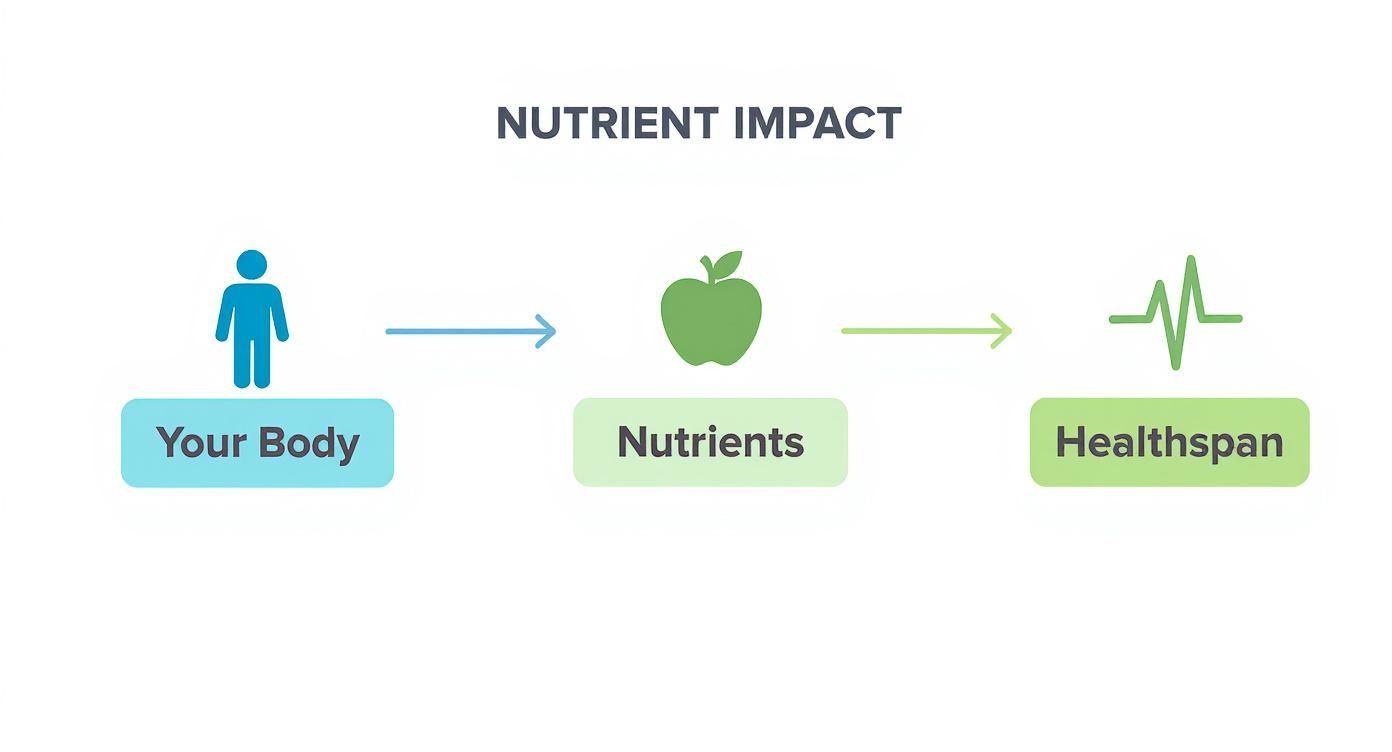
This visual shows the direct pathway from properly nourishing your body to enhancing your overall healthspan.
Why "Optimal" Is a Better Goal Than "Normal"
Here’s a crucial concept in nutritional blood testing: there’s a huge difference between a “normal” range and an “optimal” one. A standard lab report might flag your result as normal, but that range is often just an average taken from a generally unwell population. For longevity, the goal isn't to be average; it's to aim for levels that support your body’s peak performance and disease prevention.
Take vitamin D, for example. Deficiency is a massive issue. In the UK, a staggering 20% of the population is deficient, and a further 60% have insufficient levels. The average blood level is just 76.8 nmol/L—barely above the deficiency threshold. This shows just how common it is to be operating at a suboptimal level without even realising it.
The table below breaks down these essential biomarkers and why they’re so vital for your long-term wellness.
Essential Biomarkers for Longevity and What They Reveal
This table summarises some of the most important blood tests for vitamins and minerals, what they measure, and why they're so critical for a long and healthy life.
| Biomarker Test | What It Measures | Importance for Longevity |
|---|---|---|
| 25-Hydroxy Vitamin D | The body's primary store of vitamin D. | Supports bone density, immune function, and reduces inflammation. |
| Serum Ferritin | Stored iron reserves in the body. | Essential for energy metabolism, oxygen transport, and cognitive health. |
| Active B12 | The usable form of vitamin B12. | Crucial for nerve protection, red blood cell formation, and DNA repair. |
| Magnesium (RBC) | Magnesium levels inside red blood cells. | Vital for muscle function, blood sugar regulation, and DNA stability. |
By focusing on these specific tests, you get clear, actionable insights. You’re empowered to make targeted adjustments, ensuring your body has all the raw materials it needs to thrive for decades to come.
When Is Nutrient Testing the Right Move for You
Trying to figure out if you need a nutrient test can be confusing. Is that constant fatigue just from a busy week, or is it a sign of a deeper imbalance impacting your long-term health potential? While general advice is a good start, certain health signals and lifestyle factors are clear indicators that it's time to get a precise look at your internal biochemistry.
Proactively testing for vitamin and mineral deficiencies is one of the smartest moves you can make for your longevity strategy. It allows you to catch and correct subtle imbalances before they compound into bigger issues, giving your body the specific support it needs to perform optimally for years to come.
Key Triggers That Point to Testing
Some life stages and personal choices put extra demands on your body, creating a higher risk for nutrient gaps that can silently undermine your healthspan. If you recognise yourself here, testing is a logical step toward biological optimization.
See if any of the following sound familiar:
- Following a Specific Diet: Plant-based, vegan, or other restrictive diets can be excellent for health but may limit intake of key nutrients like vitamin B12, iron, and omega-3s. A test provides the hard data to supplement intelligently and ensure your diet is supporting your longevity goals.
- High Levels of Physical Activity: Endurance athletes or anyone who trains hard regularly burns through nutrients much faster. Magnesium and iron, vital for energy and muscle function, are depleted at a higher rate, and maintaining optimal levels is key to performance and recovery.
- Chronic Stress or a Demanding Lifestyle: A high-pressure life isn't just mentally draining—it physically depletes your reserves of B vitamins and magnesium, which are crucial for managing your body's stress response and preventing long-term cellular damage.
- Age-Related Changes: As we get older, our bodies naturally become less efficient at absorbing certain nutrients, particularly vitamin B12 and magnesium. This puts older adults at a higher risk for deficiencies that can accelerate cognitive decline and reduce vitality.
Are You at Risk for Common UK Deficiencies?
It's easy to assume you're getting everything you need from your diet, but nutrient shortfalls are surprisingly common. The UK's National Diet and Nutrition Survey found that 16% of adults have low vitamin D levels, which is crucial for a healthy immune system. Iron deficiency is another big one, with anaemia affecting 5% of adult women and as many as 9% of teenage girls. You can read more in the official government summary.
These aren't just abstract numbers; they highlight how easily anyone can fall short of optimal.
Taking a proactive approach means you’re not waiting for symptoms to become severe. Instead, you're using personalised data to maintain optimal health, turning knowledge into a powerful tool for longevity.
In the end, testing is for anyone who wants to stop guessing and start knowing. It gives you a clear, personalised picture of your nutritional status, empowering you to make targeted changes that truly support your long-term health and wellbeing.
How to Prepare for Your Blood Test to Get Accurate Results
Getting a blood test isn't just about the few minutes it takes to draw the sample; preparation is key to ensuring the data you receive is a true reflection of your baseline health. To get an accurate snapshot for your longevity plan, you need to control the variables. A little preparation ensures your results are a reliable foundation for your health strategy.
Following a few simple steps can make all the difference between a fuzzy picture and a crystal-clear one when it comes to testing for vitamin and mineral deficiencies.

Essential Steps for Reliable Test Results
To make sure your numbers aren't skewed by a big meal or a late-night coffee, a bit of planning is crucial. Consistency provides you and your doctor with the most accurate information to build an effective, long-term health plan.
-
Fast for Accuracy: Many tests, especially those for iron or metabolic markers, require an 8–12 hour fast. This is because food and drink can temporarily alter certain nutrient levels, and the goal is to measure your body's uninfluenced baseline. Booking a morning appointment makes fasting much more manageable.
-
Stay Well-Hydrated: In the 24 hours before your test, prioritize water. Good hydration makes your veins more accessible, which allows for a smoother, quicker blood draw. Once your fasting window begins, stick to plain water only. For more tips, check out our guide on how to prepare for phlebotomy.
-
Timing is Everything: Your body operates on circadian rhythms, causing levels of certain hormones and nutrients to fluctuate throughout the day. To track your health effectively over time, always try to schedule your blood tests for the same time of day. Early morning is usually optimal.
To Supplement or Not to Supplement
This is a common question, and the right answer depends entirely on your objective.
If your goal is to understand your body's natural, unassisted baseline, it is best to pause vitamin and mineral supplements for at least 24-48 hours before the test. This reveals your true underlying nutritional status.
Conversely, if the objective is to assess whether your current supplementation protocol is effective at achieving optimal levels, you should continue taking them as usual. The key is consistency and ensuring your doctor knows which approach you took. This context is vital for them to interpret your results accurately and help you refine your longevity strategy.
Turning Your Test Results into an Action Plan for Longevity
Getting a lab report back can feel like being handed a document in a foreign language. But hidden within those numbers and ranges is the blueprint for your personalised longevity strategy. When we view these results through a longevity lens, we're not just aiming for "not deficient"—we're targeting levels that promote peak cellular function, resilience, and vitality for decades to come.
Think of your results not as a final score, but as a starting line. This is the critical data you need to build a powerful action plan that integrates targeted supplements with strategic nutrition and lifestyle adjustments. It’s your personal roadmap to a healthier, longer life.

From Normal to Optimal: A Longevity Mindset
Standard lab reports provide a "normal" range, which is essentially a broad average derived from the general population. But for longevity, average isn't the goal—optimal is. An optimal range is narrower and represents the nutrient levels associated with the lowest risk of chronic disease and the highest level of physical and cognitive function.
For example, your Vitamin D might fall within the "normal" range but still be far from the 100-150 nmol/L that many longevity experts recommend for robust immune function and cellular health. Understanding this distinction is the key to unlocking the true potential of your test results.
Your lab report isn't just telling you where you are now. It's offering a clear, data-driven path to where you could be, empowering you to make precise adjustments for long-term health gains.
This shift in thinking turns testing for vitamin and mineral deficiencies from a simple reactive measure into a proactive strategy for extending your healthspan. If you want to get more comfortable reading your report, our guide on how blood test results are explained in the UK is a great place to start.
Building Your Personalised Action Plan
Once you have your results, it's time to build a plan. This is about creating an integrated strategy where your diet, supplements, and lifestyle habits work in synergy to optimize your biology.
1. Targeted Supplementation:
Your results provide a precise prescription. If active B12 is low, a sublingual methylcobalamin supplement offers superior absorption. If ferritin is suboptimal, a gentle, non-constipating form of iron can rebuild stores without unwanted side effects.
2. Strategic Dietary Adjustments:
Supplements are for correcting imbalances; your diet is for maintaining optimal levels long-term.
- Low Magnesium? Increase intake of dark leafy greens, almonds, and avocados.
- Need More Iron? Focus on high-quality red meat, lentils, and spinach. Pro tip: pair these with vitamin C-rich foods like bell peppers to maximize absorption.
3. Lifestyle Enhancements:
Your daily habits have a profound impact on nutrient status. Simple changes can make a huge difference in how your body absorbs and utilizes what you consume. This could mean exploring actionable ways to improve blood circulation naturally to enhance nutrient delivery or incorporating regular exercise and stress management to reduce nutrient depletion.
By taking this integrated approach, you’re not just plugging gaps. You’re building a resilient biological foundation that will support a long and vibrant life. Your test results provide the blueprint; your actions build the future.
Answering Your Nutrient Testing Questions
It’s completely normal to have a few questions when you start exploring health testing. Let's walk through some of the most common ones we hear, giving you the clear answers you need to build a smart, long-term health strategy.
How Often Should I Get Tested?
For a healthy individual focused on longevity, a comprehensive screening every 1-2 years provides an excellent baseline and allows for proactive tracking.
However, if you are actively correcting a known deficiency, following a restrictive diet (e.g., vegan), or managing a chronic health condition, more frequent testing every 3-6 months may be recommended to monitor progress. The goal is not just to reach the "normal" range but to consistently maintain levels within the optimal zone for long-term health and disease prevention.
Can I Just Fix Deficiencies with My Diet?
For minor insufficiencies, dietary adjustments can be effective. Increasing your intake of nutrient-dense foods is a fundamental part of any longevity strategy.
However, for significant deficiencies, particularly with nutrients like Vitamin D (where sunlight is the primary source) or B12 (often an absorption issue), diet alone is typically not enough to restore optimal levels efficiently. In these cases, targeted supplementation is the most effective tool to replenish your body's stores, with diet then used to help maintain them.
A professional venous blood draw remains the gold standard for accuracy in nutrient testing. It provides a larger, higher-quality sample less prone to contamination, ensuring a precise analysis for anyone serious about creating a data-driven longevity plan.
Take control of your long-term health with data-driven insights. With Lola, you get professional phlebotomy at your home or a nearby clinic, analysis at UKAS-accredited labs, and a personalised doctor's review of your results. Book your health assessment today.