


People rarely think about their blood unless something goes wrong. And yet, your blood contains over 30 trillion red blood cells working every second to keep you alive. Oddly enough, most health problems can start to show up in your blood long before you ever feel sick, turning routine checks into useful resource for uncovering hidden risks.
Table of Contents
- What Is Blood Health And Why It Matters
- The Role Of Blood In Overall Health And Wellness
- How Monitoring Blood Health Supports Chronic Condition Management
- Key Indicators Of Blood Health You Should Know
- The Future Of Blood Health Tracking And Its Benefits
Quick Summary
| Takeaway | Explanation |
|---|---|
| Maintain regular blood health monitoring | Regular checks can reveal underlying health risks and nutritional deficiencies early on. |
| Understand key blood health biomarkers | Familiarity with important indicators aids proactive health management and early issue detection. |
| Adopt personalized treatment based on blood analysis | Blood test results help tailor treatment strategies and medication dosages effectively. |
| Use technology for advanced tracking | Utilize emerging technologies for real-time insights into health status and prevention strategies. |
| Focus on holistic wellness through blood health | Full blood health management supports overall physiological balance and long-term wellness. |
What is Blood Health and Why It Matters
Blood health represents a complex biological system fundamental to human survival and wellbeing. Your blood serves as an intricate transportation and communication network within the body, carrying essential nutrients, oxygen, hormones, and immune cells to every tissue and organ. Research from the National Health Service highlights the critical nature of maintaining optimal blood function for overall physiological performance.
Understanding Blood Composition
Blood is not a singular substance but a sophisticated mixture of multiple cellular components and plasma. Its primary elements include:
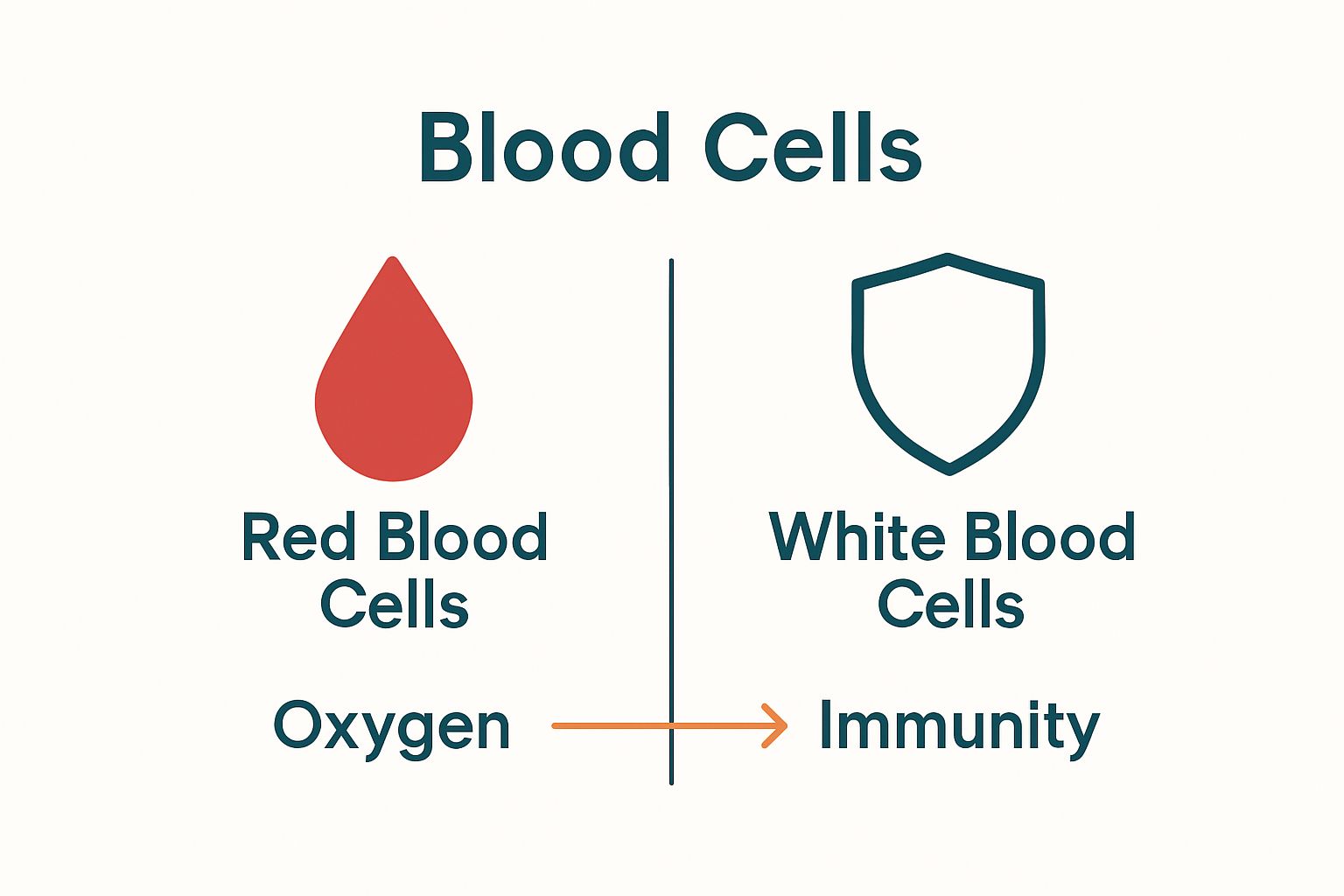
- Red blood cells responsible for oxygen transportation
- White blood cells critical for immune defense
- Platelets essential for blood clotting
- Plasma serving as the liquid medium for cellular transport
Each component plays a precise role in maintaining bodily homeostasis. Red blood cells, for instance, carry haemoglobin that binds and releases oxygen throughout your body, enabling cellular respiration and energy production. White blood cells act as your immune system’s frontline defenders, identifying and neutralising potential pathogenic threats.
Below is a table summarising the main components of blood and their primary functions, to clarify their distinct roles in maintaining health.
| Component | Main Function | Key Role in Health |
|---|---|---|
| Red Blood Cells | Transport oxygen using haemoglobin | Enable cellular respiration and energy |
| White Blood Cells | Provide immune defence against pathogens | Protects body from infections |
| Platelets | Facilitate blood clotting | Initiate healing and tissue repair |
| Plasma | Serve as liquid transport medium | Distributes nutrients, hormones, wastes |
Significance of Blood Health Monitoring
Tracking blood health provides invaluable insights into your overall physiological condition. Detailed blood analysis can reveal potential underlying health risks, nutritional deficiencies, and early indicators of chronic diseases before they become severe. Our broad blood testing guide offers deeper understanding of key biomarkers that professionals use to assess your health status.
By proactively monitoring blood health, individuals can make informed lifestyle modifications, detect potential health issues early, and develop targeted strategies for maintaining optimal wellness.
Regular blood screenings transform passive health management into an active, preventative approach to personal healthcare.
The Role of Blood in Overall Health and Wellness
Blood functions as a varied biological system that goes far beyond simple transportation, serving as a complex communication network essential for maintaining overall human health. Research from St George’s University Hospitals NHS Foundation Trust emphasises the intricate role blood plays in supporting numerous physiological processes and maintaining overall wellness.
Metabolic and Nutritional Regulation
Your bloodstream acts as a sophisticated delivery mechanism, transporting critical resources throughout the body. Nutrients, hormones, and oxygen are continuously distributed via blood, ensuring every cell receives the necessary components for optimal functioning. This intricate transport system supports multiple key bodily functions:
- Energy metabolism and cellular respiration
- Hormone signal transmission
- Nutrient distribution from digestive system
- Waste product removal from tissues
The circulatory system enables precise biochemical interactions, allowing instantaneous communication between different bodily systems and maintaining intricate metabolic balance.
Immune Defense and Healing Mechanisms
Blood plays a key role in immune response and tissue repair. White blood cells circulate constantly, identifying and neutralising potential pathogens, while platelets initiate healing processes by forming clots and promoting tissue regeneration. Learn more about wide-ranging blood testing approaches to understand how these complex interactions contribute to your overall health.
The immune components within blood represent a dynamic defense mechanism, constantly adapting to environmental challenges and protecting the body from potential threats. This responsive system ensures rapid identification and neutralisation of infections, highlighting blood’s critical role in maintaining physiological equilibrium and long-term wellness.
How Monitoring Blood Health Supports Chronic Condition Management
Chronic conditions require meticulous and proactive health management, with blood monitoring emerging as a critical tool for understanding disease progression and treatment effectiveness. According to research published in the British Medical Journal, regular blood health tracking provides healthcare professionals with precise insights into an individual’s physiological status.
Early Detection and Intervention Strategies
Blood tests serve as sophisticated diagnostic windows, enabling early identification of potential health complications before they become severe. In-depth blood screenings can reveal subtle changes in biomarkers that indicate emerging health risks or disease progression. For individuals managing chronic conditions, these early warning signals become invaluable:
- Identifying inflammatory markers in autoimmune diseases
- Tracking metabolic changes in diabetes management
- Monitoring kidney and liver function in long-term conditions
- Assessing nutritional deficiencies linked to chronic illnesses
By capturing these detailed biochemical shifts, patients and clinicians can collaboratively develop targeted intervention strategies, potentially mitigating disease advancement.
Personalised Treatment Optimization
Blood health monitoring transforms chronic condition management from a reactive to a proactive approach. Our guide on understanding clinician blood test workflows demonstrates how precise biomarker analysis enables highly personalised treatment plans. Healthcare professionals can adjust medication dosages, evaluate treatment efficacy, and predict potential complications by examining detailed blood composition.
This data-driven approach helps patients, providing them with actionable insights into their health trajectory and enabling more informed decision-making about lifestyle modifications, treatment adherence, and potential preventative interventions.
Key Indicators of Blood Health You Should Know
Understanding the critical biomarkers that define blood health provides invaluable insights into overall physiological functioning. Research from the NHS emphasises the importance of complete blood screening to evaluate an individual’s health status comprehensively.
Essential Haematological Markers
Blood health indicators represent complex biochemical signals that offer profound information about bodily systems. These markers provide subtle snapshots of metabolic, immune, and cardiovascular functioning. Key haematological markers include:
- Red blood cell count and haemoglobin levels
- White blood cell count and differential
- Platelet concentration and coagulation factors
- Erythrocyte sedimentation rate (inflammation indicator)
Each marker reveals specific physiological insights. Red blood cell parameters indicate oxygen transportation efficiency, while white blood cell counts reflect immune system responsiveness. Understanding these intricate relationships enables proactive health management and early problem detection.
This table outlines key blood health markers and what each can reveal about your overall wellbeing, supporting proactive health management.
| Marker | What It Measures | Health Insights Revealed |
|---|---|---|
| Red Blood Cell Count | Number of red blood cells | Oxygen transport efficiency |
| Haemoglobin Level | Concentration of haemoglobin | Anaemia, oxygen-carrying capacity |
| White Blood Cell Count | Number and types of white cells | Immune system status, infection/inflammation |
| Platelet Count | Number of platelets | Blood clotting ability, bleeding risks |
| Erythrocyte Sedimentation Rate | Speed of red cell settling | Inflammation or ongoing disease process |
| Glucose | Blood sugar level | Diabetes risk, metabolic function |
| Cholesterol | Fat levels in blood | Heart disease risk, metabolic health |
Biochemical and Metabolic Indicators
Beyond cellular components, biochemical markers provide critical wellness insights. Explore our full guide to important blood test markers to understand how these indicators interact. Metabolic markers such as glucose, cholesterol, and hormone levels offer detailed assessments of nutritional status, metabolic efficiency, and potential disease risks.
These sophisticated biomarkers act as early warning systems, enabling individuals and healthcare professionals to identify potential health challenges before they progress, transforming reactive healthcare into a proactive, personalised wellness strategy.
The Future of Blood Health Tracking and Its Benefits
Technology is rapidly transforming blood health monitoring, creating unprecedented opportunities for personalised healthcare and proactive wellness management. Research from digital health innovation studies highlights the emerging potential of advanced diagnostic technologies in transforming how we understand and manage personal health.
Technological Advancements in Blood Testing
Emerging technologies are making blood health tracking more accessible, precise, and user-friendly. Advanced diagnostic approaches are shifting from traditional laboratory models to more dynamic, real-time monitoring systems. Key technological innovations include:
- Artificial intelligence driven predictive analytics
- Miniaturised home testing devices
- Continuous blood monitoring wearables
- Machine learning algorithms for complex biomarker interpretation
These innovations enable individuals to gain deeper, more fine-grained insights into their physiological status, transforming blood testing from an occasional clinical procedure to a continuous, personalised health management tool.
Personalised Healthcare and Preventative Strategies
Explore how technology is reshaping blood testing approaches to understand the broader implications of these advancements. Predictive health monitoring represents a model shift, moving from reactive treatment to proactive prevention. By capturing real-time biochemical data, individuals can make informed lifestyle modifications, potentially mitigating chronic disease risks before they manifest.
The future of blood health tracking promises a more overall, data-driven approach to wellness, where individual health management becomes increasingly precise, personalised, and enabling.

Take Control of Your Blood Health for a Better Tomorrow
Understanding the vital role blood plays in your overall wellbeing, you might feel uncertain about hidden health risks or frustrated by the lack of clear answers from infrequent check-ups. This article uncovers how tracking blood health enables early detection of issues, personalised intervention, and ongoing prevention—helping you move from worry to confidence. With so many biomarkers and complex information, finding a service you trust can seem overwhelming.
Explore Lola Bundles and discover how easy it is to make your blood health a priority with broad, at-home and clinic-based tests. Our bundles cover cardiovascular, hormonal, metabolic, and immune markers, giving you complete clarity in just days.

Put your health in your own hands with Lola Health. It takes just minutes to order your test, book a nursing appointment, and reveal fast, doctor-reviewed results. For yourself or someone you care about, send the gift of health tracking today. Make a proactive choice and act now to secure insight, reassurance, and better wellbeing for your future.
Frequently Asked Questions
Why is tracking blood health important for overall wellbeing?
Tracking blood health is important because it provides insights into essential bodily functions and can highlight potential health issues before they become serious. Start monitoring your blood health regularly to identify any undesirable trends, aiming for blood tests every 6 to 12 months.
What specific blood markers should I focus on during health tracking?
Key blood markers to track include red and white blood cell counts, haemoglobin levels, and biochemical indicators like glucose and cholesterol. Identify which indicators are relevant to your health goals and discuss these with your healthcare provider to determine the best monitoring plan.
How can tracking blood health help in managing chronic conditions?
Monitoring blood health can reveal changes in biomarkers that indicate disease progression or treatment effectiveness, enabling earlier interventions. Establish a routine for regular blood screenings to stay informed about your condition and adjust lifestyle or treatment plans as needed.
What are the main benefits of regular blood screenings?
Regular blood screenings provide early detection of potential health issues, allowing for timely interventions and personalised healthcare strategies. Schedule wide-ranging blood tests at least once a year to take proactive steps towards your health, making adjustments based on the results.
How does technology improve the tracking of blood health?
Technology enhances blood health tracking through more accessible and accurate testing methods, such as home testing devices and continuous monitoring wearables. Explore available options to integrate these tools into your health routine, allowing for real-time insights into your blood parameters for better decision-making.
Recommended
- Why Book a Clinic Blood Test? Understanding Its Importance – Lola Health
- Why Blood Tests for Heart Disease Matter Explained Clearly – Lola Health
- 8 Important Blood Test Markers You Should Know – Lola Health
- Your Guide to a Home Blood Test for Longevity – Lola Health
Test This Biomarker at Home
This biomarker is included in our ALT Test and Liver & Kidney Function — results in 2-3 working days with GP-reviewed insights.
At-Home Blood Testing
Check your levels from home
Professional phlebotomist visit. Doctor-reviewed results in 2-5 days. Track your health with comprehensive blood panels.
→45-70 biomarkers tested · Venous blood draw · From £130